

What really causes football injuries during international breaks?
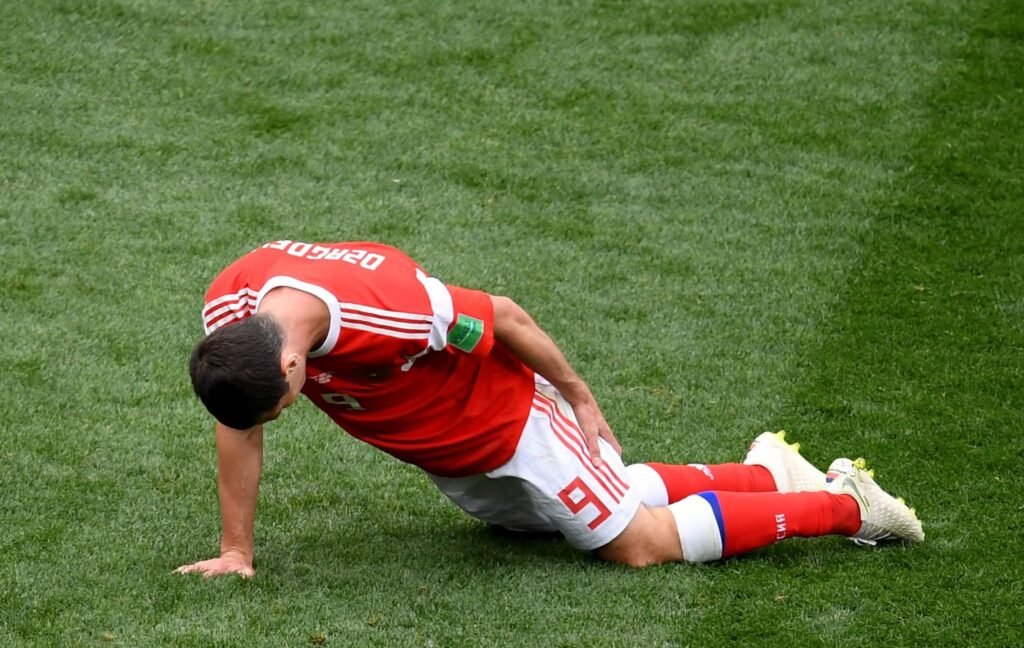
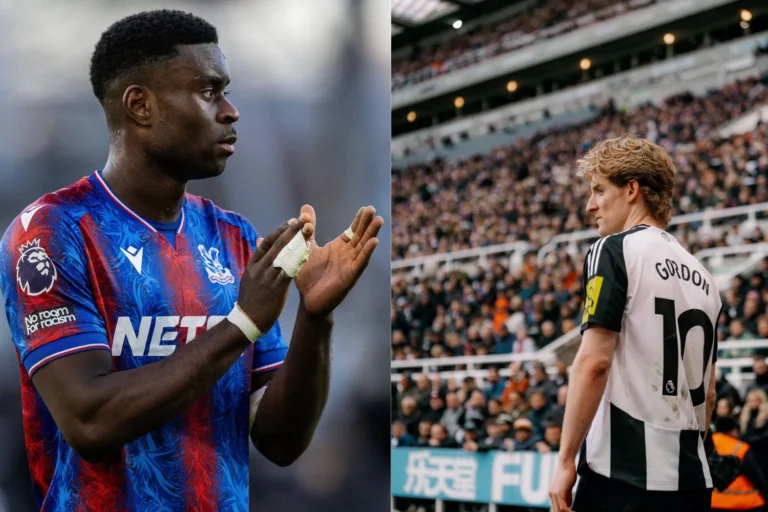
Every international break, the same thing happens. A player leaves his club fit but returns injured, leaving fans wondering what went wrong. The October 2026 break has been no different, with clubs like Chelsea, Arsenal and Manchester United dealing with injuries after players returned from international duty.
Football injuries during international breaks rarely happen out of nowhere. A player might have sustained injury while playing for their country, but the problem may have been building for weeks due to fatigue, a heavy match schedule or a lack of recovery time. Fans, coaches and players need to understand why these injuries happen and how they can be prevented.
When a player gets injured during an international match, the match often gets the blame. However, there are two important questions people often overlook.
- When did the injury happen?
This questions the timing. Was it during a sprint, a tackle, or a change of direction?
- Why was that player vulnerable at that moment?
This looks at what caused the injury, which often comes down to a combination of accumulated workload, fatigue, disrupted routines and muscles that have not fully recovered.
Every muscle has a limit to how much stress it can handle, and each match adds to that load. When a player doesn’t get enough time to recover, the risk of injury increases. Eventually, even a routine movement the player has performed thousands of times can cause an injury. The sprint may get the blame, but the problem could have been building for weeks.
5 Real Reasons Behind Football Injuries During International Breaks
- Fixture Congestion and Accumulated Fatigue
Players often enter an international break after playing several matches for their clubs in a short period. This leaves them with less time to rest and recover between games.
Fatigue is more than just feeling tired. It can affect muscle function, reaction time, coordination and the body’s ability to handle physical stress. These are all important when a player sprints, slows down suddenly or lands after a jump. UEFA’s long-running Elite Club Injury Study, has consistently shown that muscle injuries account for a large share of injuries that keep players out of action. The number of matches a player plays also matters.
Players who feature regularly for their clubs and then take on additional international fixtures face a heavier workload. Without enough time to recover, the risk of injury can increase.
- Disrupted Routines and Sudden Increases in Workload
At their clubs, players follow carefully planned routines for training, recovery, sleep and nutrition. They also have access to familiar coaches and medical teams, but international duty can easily disrupt these routines.
Players must adjust to a new environment, different coaching methods, changes in training intensity and sometimes a different style of play. These changes can lead to sudden increases in workload. For example, a player who has had a light training week at his club may return to intense sessions with his national team. Another player may experience the opposite change.
The body needs time to adapt to physical demands. When the workload increases too quickly, especially without enough recovery, the risk of injury can rise.
- Travel, Sleep and Recovery
Long flights, changes in time zones, late kick-offs and unfamiliar hotels can all affect a player’s recovery. Sleep is important for muscle repair, and poor sleep can slow recovery and increase the risk of injury.
Travel can also lead to dehydration and irregular meal times, making it harder for players to recover properly. As a result, a player may arrive at the next match without having fully recovered from the previous one.
- Playing through Minor Injuries
Playing for the national team comes with pride and pressure. As a result, players with minor muscle tightness or knocks may be reluctant to sit out a match or training session. Some may even hide their symptoms to remain available.
However, a minor issue that could have been managed with rest can become a more serious injury when a player continues to train or play at full intensity. Good communication between club and national team medical staff is important. Sharing information about a player’s condition helps both teams make better decisions about training, rest and recovery.
- The Nature of Football Itself
Football requires players to sprint, accelerate, slow down quickly and change direction at high speed. These movements put a lot of strain on the hamstrings, groin, calves and quadriceps.
Hamstring injuries are among the most common muscle injuries in football. They often happen during sprints or when a player stretches their leg while running. Fatigue also makes these movements more difficult to handle, especially towards the end of a match.
What Our Sports Therapist Says About Football Injuries During International Break
International breaks highlight an important issue in football injuries during international break. Players need enough time to recover between matches. When they move between club and international duty, their training schedules, travel demands and playing time can change quickly. These changes can increase the risk of muscle injuries, especially when players are already fatigued.
One common concern is that players may continue training or playing despite feeling muscle tightness or discomfort. They might assume the problem will go away on its own, but pushing through the pain can make the injury worse. This is why it is important to recognise symptoms early and seek professional advice.
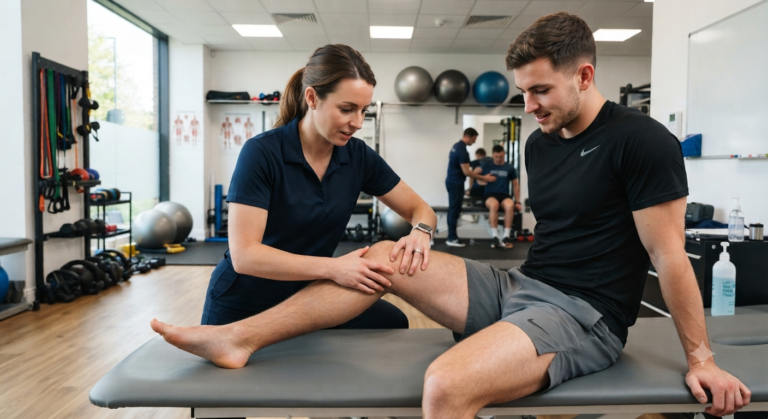
Rehabilitation should begin with a proper assessment to understand the type and severity of the injury. The early stages focus on managing pain, restoring movement and gradually rebuilding strength. As the player improves, rehabilitation progresses to running, sprinting and football-specific movements. Each stage should prepare the player for the next, rather than rushing the process.
One of the biggest mistakes players make is returning to training or competition as soon as they feel better. Reduced pain does not always mean the injured muscle is ready for the demands of football. Returning to play should depend on strength, movement, fitness and the ability to perform football-specific activities safely.
I believe we don’t always have to miss our favorite players during international breaks. With early assessment, proper rehabilitation and a gradual return to play, clubs can help reduce the risk of further injury to players.
Sylar,
Lead Sports Therapist, Hekas Manchester
What Responsible Rehabilitation Looks Like
How a muscle injury is treated is just as important as the injury itself. Returning to play too soon is one of the main reasons injuries happen again. A proper football injury rehabilitation programme usually follows these stages:
- Assessment first
A proper diagnosis helps identify the injured muscle, how serious the injury is and what may have caused it. Simply treating a pulled muscle without understanding the underlying problem can increase the risk of the injury happening again.
- Protect and manage early symptoms.
The first stage focuses on reducing pain and swelling while helping the player move safely without making the injury worse.
- Restore range of motion and strength.
The next stage focuses on gradually rebuilding muscle strength. This often includes exercises that make the muscle work as it lengthens, which is particularly important for hamstring injuries.
4) Build back running and sport-specific load.
Players gradually return to running, starting with light jogging before progressing to acceleration, sprinting and changing direction. Each stage is introduced step by step to make sure the muscle can handle the increased demands.
5) Criteria-based return to play
A player should return to play only after meeting the required strength, movement and fitness standards. The decision should not be based only on how much time has passed or how the player feels.
Proper sports injury rehabilitation follows a clear plan, with each stage building on the previous one. The process is adjusted to the individual and how well their body responds to the demands of recovery. You can read more about our approach on sports injury rehabilitation.
How to Prevent Football Injuries During International Breaks: What Players and Coaches Can Do
This is where injury prevention makes a real difference. While injuries cannot be completely avoided, many can be prevented by reducing the risks. These steps apply to all levels of football, from academy teams to premier leagues.
For Players
- Manage Your Workload
Avoid sudden increases in training or match intensity. If you are returning from a break or a period of lighter activity, increase your workload gradually.
2) Make Recovery a Priority
Getting enough sleep, drinking enough water and eating well are all important parts of training. Plan for proper recovery, especially during busy match schedules and long trips.
3) Report Minor Injuries Early
Reporting muscle tightness or discomfort early makes it easier to manage the problem before it becomes more serious. A minor issue can turn into a bigger injury if it is ignored.
4) Strengthen Your Hamstrings
Exercises such as the Nordic hamstring curl can help reduce the risk of hamstring injuries when done regularly. However, introduce them gradually, as they can cause muscle soreness if you do too much too soon.
5) Warm Up Properly
A good warm-up prepares the body for exercise and can help reduce the risk of injury. Programmes such as FIFA 11+ have been shown to help prevent injuries, especially in amateur football players.
For Coaches
- Monitor Workload, Not Just Playing Time
Track how much high-intensity running and sprinting players do, not just how many minutes they spend on the pitch. This helps you understand how much physical stress players are dealing with.
2) Rotate Players When Possible
Players who have travelled long distances or played several demanding matches may need more rest. Managing their playing time can help reduce fatigue and give them time to recover.
3) Make Recovery Part of the Weekly Plan
Include light training sessions, mobility exercises and rest days in the weekly schedule. Regular recovery is especially important during busy periods when players have little time between matches.
4) Encourage Players to Report Symptoms Early
Players may hide pain or discomfort if they fear losing their place in the team. Coaches should create an environment where players feel comfortable reporting symptoms. This helps staff identify and manage potential injuries before they become more serious.
5) Improve Communication Between Teams
Clubs, national teams, schools and academies should share relevant information about players’ training loads and injury history. Good communication helps coaches and medical staff make better decisions about training, playing time and recovery.
Why Early Treatment Matters for Muscle Injuries
Muscle injuries in football can range from mild strains to serious tears. However, it is not always easy to tell how serious an injury is at first. Do not ignore symptoms or try to diagnose the injury yourself, as this can delay recovery and increase the risk of another injury. Speaking with a qualified sports therapist early can help you understand the injury, follow the right treatment plan and return to training safely.
If you’re a player in Greater Manchester dealing with a muscle injury, or a coach looking to reduce injury risks for your team, a specialist team can help. Reach out today to learn more about our sports rehabilitation services in Manchester
Frequently Asked Questions
- Are football injuries during international break more common?
The major concern is often the number of matches players play for both their clubs and national teams, especially when there is little time to rest between games. Players who play frequently without enough recovery time may face a higher risk of injury.
- How can hamstring injuries be prevented?
Nordic hamstring curls can help reduce the risk of hamstring injuries when performed regularly. Proper warm-ups, managing training intensity and allowing enough time for recovery are also important.
- How long does football injury rehabilitation take?
Recovery time depends on the type and severity of the injury. Minor muscle strains may take a few weeks to heal, while more serious tears can take much longer. A qualified sports therapist can create a rehabilitation plan based on the injury and the player’s progress.