
If you’ve ever felt a sharp pain in your heel or foot when taking your first steps in the morning, you know how uncomfortable plantar fasciitis can be. It’s one of the most common foot problems we see at our Manchester clinic. It affects runners, retail and hospitality workers who spend all day on their feet, as well as people who can’t pinpoint when it started.
At Hekas in Manchester, clients treated for plantar fasciitis and general foot pain have reported an average 70% reduction in pain. Many notice improvement within 2–4 sessions, with further relief over 4–8 weeks alongside daily stretching and better footwear.
We carefully explain what plantar fasciitis is, how much relief you can expect at a Manchester clinic, and what treatment usually involves.
What Is Plantar Fasciitis?
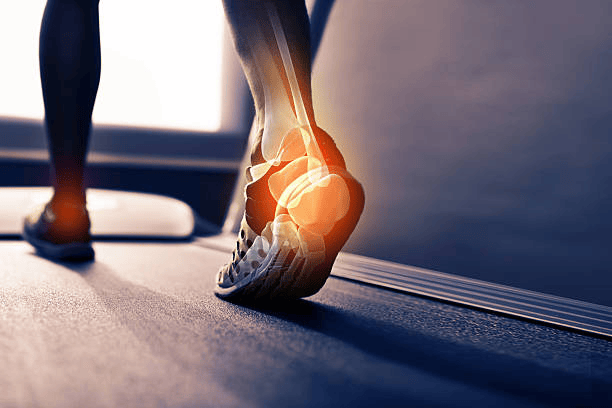
The plantar fascia is a thick band of tissue that runs along the sole of your foot, connecting your heel to your toes. It supports your arch and absorbs shock every time you walk or run. When it is overloaded by repetitive strain, tight calves, unsupportive footwear, or a sudden increase in activity, small tears and irritation can develop where it is.
The result is often a sharp or stabbing pain in the heel or arch, especially with the first steps after resting. The pain may ease after a few minutes of walking but return after standing for long periods. You may also notice tightness in the sole, especially after exercise, with discomfort that can gradually worsen if left untreated.
How Much Relief Can You Realistically Expect?
Based on outcomes tracked at Hekas, clients treated for plantar fasciitis and general sole-of-foot pain have seen an average 70% reduction in pain. This can lead to noticeable improvements in daily life. Many clients go from struggling with their first steps and standing for long periods to walking, working, and exercising with only mild or occasional discomfort.
A 70% reduction in pain does not necessarily mean being completely pain-free. For most people, it means the pain becomes much milder and easier to manage. How much you improve depends on how long you’ve had the condition, how consistently you follow your treatment plan, and whether your footwear or activity levels are contributing to the problem.
Step-by-step Plantar Fasciitis Treatment for Patients
- Manual therapy on the fascia and calf
We begin with hands-on treatment that targets tight tissue in the sole of the foot and calf muscles. Since tight calves can increase strain on the plantar fascia with every step, treating them is often just as important as treating the foot itself.
- Stretching and self-release techniques
We recommend simple daily stretches for the calf and plantar fascia between sessions. Rolling the sole of your foot over a firm ball or bottle for a few minutes each day can also help.
- Load management and activity advice
If the pain starts after increasing your running, standing for longer hours, or changing your footwear, we usually recommend adjusting your activity levels without stopping completely. Too much rest can lead to stiffness and make the pain return when you become active again.
- Footwear and support advice
Most patients wear unsupportive or worn-out footwear, so we recommend better arch support, a heel cushion, or replacing old trainers when needed.
5. Progressive strengthening
Once the pain has settled, we recommend strengthening the small muscles in the foot and ankle to help prevent it from returning. This is especially important if you are returning to running or a job that involves spending long hours on your feet.
What Our Clients Say
I have had heel pain for months and just assumed I’d have to live with it. After a few sessions at Hekas, combined with the stretches and foot-rolling routine they gave me, the difference was huge. I can actually get out of bed now without that awful first step.”
— Michael, Manchester
How Long Does Plantar Fasciitis Take to Improve?
Early relief often comes within 2–4 sessions or around 2–3 weeks, with less sharp first-step pain and reduced daily discomfort.
By 4–8 weeks, most people can expect less pain when standing or walking and may be able to return to light activity. Fuller recovery can take 8–12 weeks or longer, especially when returning to running or a high-activity job. Chronic cases, where pain has lasted six months or more, may take longer to improve because the condition has been present for longer.
Why Manchester Clients Choose Hekas for Foot Pain
Mild foot soreness after a long day on your feet often gets better on its own. However, it’s worth getting assessed if you have sharp heel or arch pain that lasts more than two weeks, pain that is consistently worse with your first steps in the morning, or pain that affects how you walk or limits your daily activities. You should also seek advice if the pain hasn’t improved with rest, stretching, or changing your footwear.
The sooner plantar fasciitis is properly assessed and treated, the easier recovery may be. Leaving it untreated for months can lead to a longer recovery time.
With 16 years of combined clinical experience, Hekas is a Manchester-based team of eight registered physiotherapists and sports therapists treating plantar fasciitis and foot pain. We work with people across Manchester, from runners preparing for their next race to retail and hospitality workers who spend long hours on their feet.
Every treatment plan starts by identifying the actual cause of your pain, whether it is tight calves, footwear, training load, or a combination of factors. If foot pain is affecting your mornings, training, or working day, our Manchester team can assess the problem and create a personalised treatment plan to help you get back on your feet, with realistic recovery timelines from the start.
Reach out today to arrange your first session.
Frequently Asked Questions
- Is massage or manual therapy actually effective for plantar fasciitis?
Yes. Releasing tension in the plantar fascia and calf muscles can be an effective hands-on treatment, especially when combined with stretching and managing activity levels.
- Should I keep running with plantar fasciitis?
It depends on the severity of the soreness. Mild cases may improve with reduced or modified training, while more painful cases may need a short break from certain activities. A therapist can help you adjust your training without stopping completely.