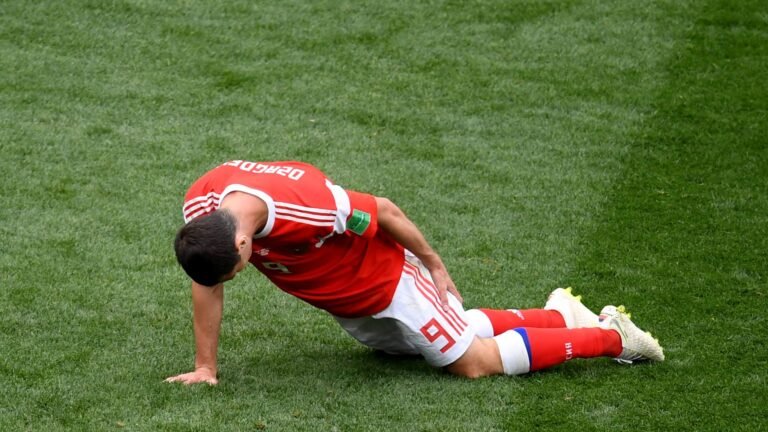

Sports therapy plays a critical role when elite athletes face severe setbacks, just like UFC superstar Conor McGregor’s highly anticipated octagon return at UFC 329, which came to a dramatic and abrupt halt after just 69 seconds. In the opening exchanges, an awkward landing following an attempted jumping kick caused his right knee to buckle violently, leading to a confirmed diagnosis of a torn Anterior Cruciate Ligament (ACL) and a torn meniscus.
For any professional athlete, this type of severe injury can be career-altering. However, McGregor’s relentless resilience and ambitious timeline to return by the summer of 2027 underscore the vital, non-negotiable role that modern sports therapy and evidence-based rehabilitation play in an athlete’s career.
Breaking Down Severe Knee Trauma: Why ACL and Meniscus Tears Are So Complex
The knee is one of the body’s most high-stress joints. In high-impact sports like mixed martial arts (MMA), football, and basketball—which require sudden changes of direction, rapid deceleration, explosive jumping, and heavy pivoting—the shear forces placed on the knee are immense:
- Anterior Cruciate Ligament (ACL): Responsible for stabilizing the knee against forward translation and rotational forces. Once torn, the joint instantly loses structural stability.
- Meniscus: Acting as the knee’s primary shock absorbers, tears can cause sharp pain, mechanical locking, and severely limited range of motion.
Just like McGregor’s recent setback, bouncing back from this level of trauma requires much more than just surgical repair; the ultimate success of the recovery depends entirely on meticulous postoperative sports therapy and functional neuromuscular reconstruction.
Why Rest Alone Isn’t Enough: 3 Key Values of Sports Therapy
Many people mistakenly believe that once a wound heals or bones fuse, recovery is complete. In reality, that only marks the beginning of the journey. Professional sports therapy plays an indispensable role in navigating severe trauma through several core pillars:
1. Precise Assessment and “Prehab” (Preoperative Rehabilitation)
Before surgery even takes place, targeted physical and functional movement assessments allow therapists to strengthen surrounding muscle groups (such as the quadriceps and hamstrings). This significantly minimizes postoperative muscle atrophy and lays a rock-solid foundation for the upcoming procedure. As McGregor noted, his current ability to walk unassisted and activate his quads against resistance highlights the gold standard of proactive pre-surgery management.
2. Scientific Neuromuscular Re-education
Joints subjected to severe trauma often lose proper proprioception—the body’s ability to sense its position in space. Sports therapy practitioners utilize dynamic balance training, proprioceptive drills, and progressive overload to rewire the neural connection between the brain and the injured tissues, ensuring the knee won’t easily give out under future athletic stress.
3. Biomechanical Correction to Break the “Injury Cycle”
Eerily, McGregor’s recent injury mirrored his left knee trauma against Holloway 13 years ago. This pattern often points to underlying biomechanical flaws deeply ingrained in an athlete’s movement patterns over years of high-intensity training. Quality sports therapy doesn’t just treat the symptoms; it analyzes movement chains, gait, and force distribution to correct root issues and prevent history from repeating itself.
Frequently Asked Questions (FAQ)
If I tear my ACL, is surgery absolutely mandatory?
It depends on your age, lifestyle demands, and athletic goals. For athletes or individuals heavily involved in pivoting and high-intensity sports (like soccer, basketball, or MMA), surgical reconstruction is typically necessary to restore joint stability. However, for individuals with low physical demands, conservative management focusing on sports therapy and strengthening surrounding muscles may be an alternative option.
What is “Prehab,” and why is sports therapy important before surgery?
Prehab refers to targeted rehabilitation performed prior to surgery. Research shows that pre-surgical sports therapy improves joint range of motion and strengthens supporting musculature, which effectively shortens postoperative swelling time, limits muscle wasting, and significantly accelerates overall recovery milestones.
How long does it typically take to return to sports after a knee ligament injury?
Following an ACL reconstruction surgery, a standard, structured sports therapy and functional rehabilitation program typically spans 9 to 12 months or longer. Rushing back prematurely drastically increases the risk of re-injury and must always be cleared through objective strength and dynamic functional testing by a professional therapist.
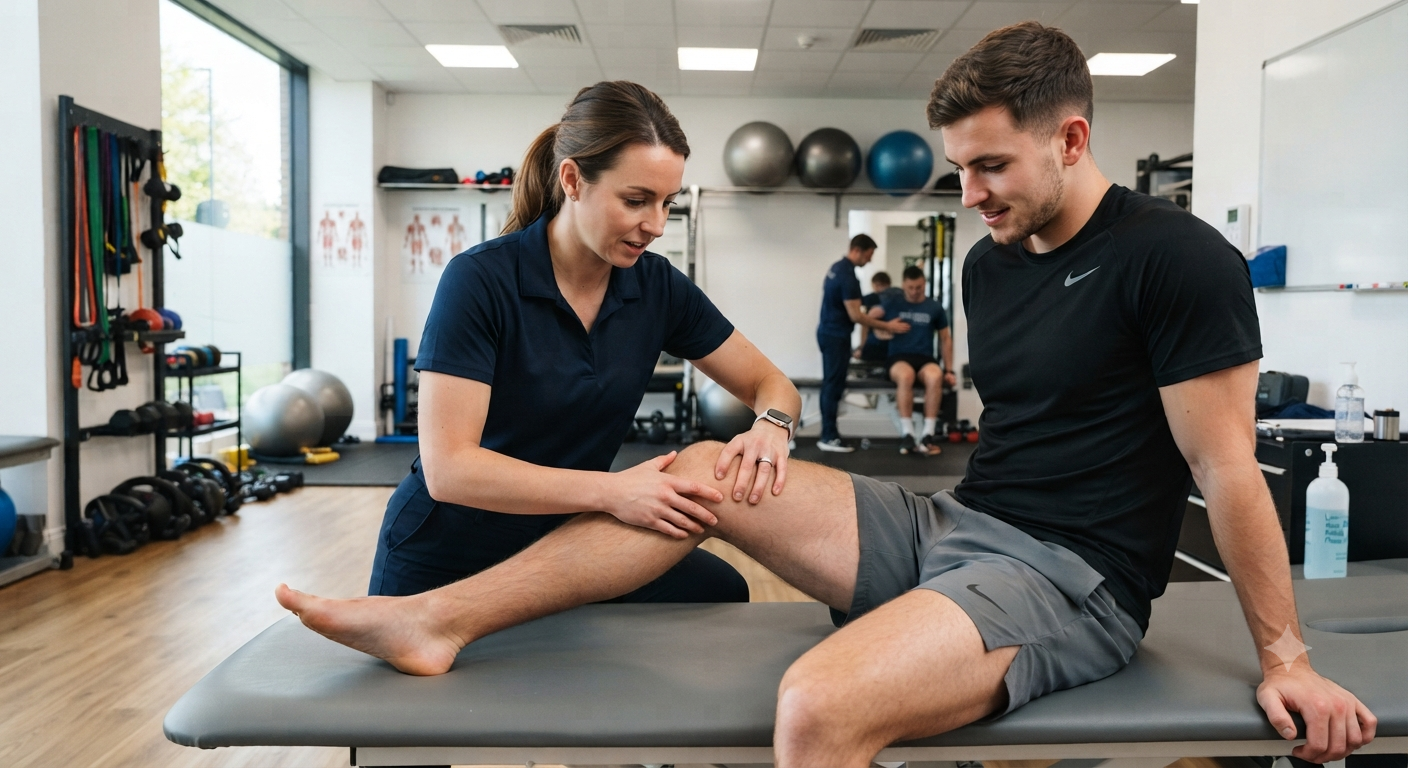
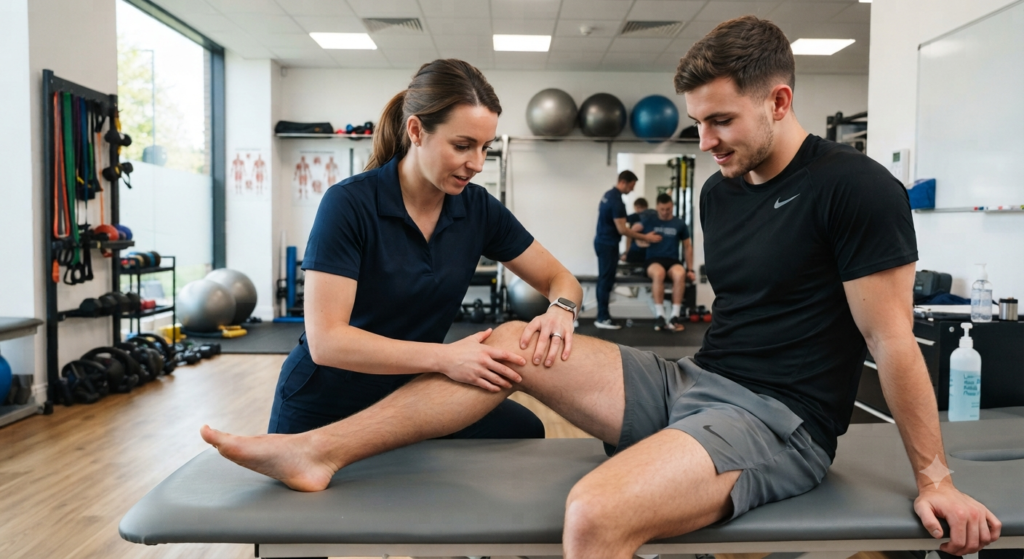
Outside elite sport the principles are identical — post-surgical rehabilitation at our Manchester clinic follows the same staged pathway, from prehab before the operation through to return-to-sport clearance afterwards.
Take the Next Step in Your Recovery
Book your professional assessment and physical therapy at Hekas Sports Therapy today, and let our expert team tailor a personalized recovery plan for you. Have questions about your physical condition or sports injury? Click here to send us a message on WhatsApp for expert guidance.