
If your hips feel stiff and your lower back gets tight after sitting, or certain movements around your pelvis feel restricted, the problem may not be limited to one muscle or joint.
Pelvic mobility affects how your hips, lower back and legs work together. When movement becomes restricted, everyday activities such as walking, exercising, getting out of a chair or climbing stairs can become uncomfortable.
At Hekas in Manchester, our pelvic mobility treatment can help assess how your pelvis and surrounding muscles are moving and identify areas that may be contributing to stiffness or discomfort.
What Is Pelvic Mobility?
Your pelvis sits between your spine and legs and plays an important role in movement and stability. It works with the hips, lower back, abdominal muscles and surrounding tissues whenever you walk, bend, run, sit or change position.
Pelvic mobility refers to how freely these areas can move and work together.
Good mobility does not mean being extremely flexible. It means having enough movement to carry out normal activities without unnecessary restriction or discomfort.
When the muscles around the hips and pelvis become tight or movement becomes limited, you may notice stiffness in your hips, lower back or groin. Some people may also feel discomfort when sitting for long periods, walking, exercising or changing position.
Musculoskeletal pelvic pain can involve the muscles, joints, ligaments or nerves around the pelvis and may affect activities such as sitting, walking and movement.
Who Can Benefit From Pelvic Mobility Therapy?
Pelvic mobility therapy can be useful for different people depending on what is causing their stiffness or movement problems.
People With Hip and Pelvic Stiffness
If your hips feel tight when you squat, walk, stretch or get out of a chair, restricted movement around the pelvis may be part of the problem.
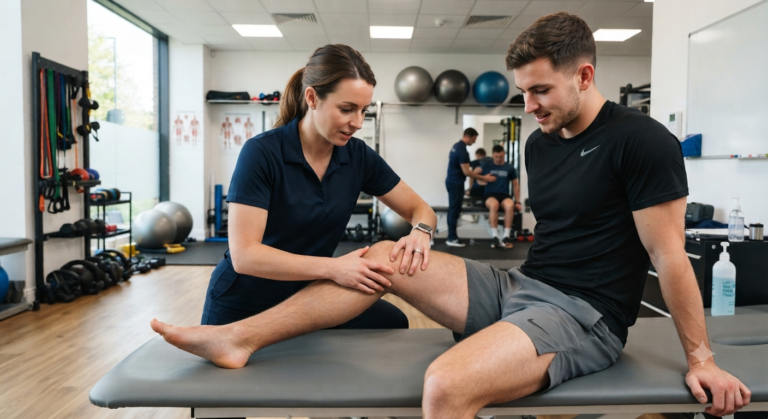
A physiotherapist can assess your hip and pelvic movement and look at how the surrounding muscles are working. Treatment may then focus on improving mobility and strengthening areas that need more support.
Runners and Active People
Running requires your hips, pelvis and legs to work together repeatedly. If one area is not moving well, other parts of the body may have to compensate.
This does not mean poor pelvic mobility automatically causes an injury. However, if you regularly experience stiffness or discomfort during training, assessing how you move can help identify areas that may need attention.
Treatment may include mobility work, strengthening exercises and advice on how to manage your training.
People Who Sit for Long Periods
Spending most of the day sitting can leave your hips and lower back feeling stiff. This is particularly common if you work at a desk and rarely change position throughout the day.
Pelvic mobility therapy can help you understand whether restricted hip or pelvic movement is contributing to your symptoms. Your treatment may also include simple movement exercises that you can use during the day.
People Returning to Exercise
If you have taken time away from exercise because of pain or stiffness, jumping straight back into your previous routine may not be the best approach.
A gradual return can give your body time to adjust. A physiotherapist can help you work on mobility and strength while gradually increasing activity.
Your pelvis does not work in isolation. It connects the movement of your upper body with your legs, so changes in one area can affect how you move elsewhere.
For example, restricted hip movement may change how you squat, walk or run. Weakness around the hips or core may also affect how you control movement.
This is why pelvic mobility treatment is not simply about stretching the pelvis.
The aim is to understand how your body moves as a whole and address the areas that may be contributing to your symptoms.
Physiotherapy commonly combines exercises, manual therapy and advice on managing symptoms to improve movement, strength and function.
What Does Pelvic Flexibility and Mobility Therapy Involve?
Your treatment will depend on your symptoms and what your assessment shows.
We begin by looking at your movement and asking about your symptoms, daily activities, exercise routine and any previous injuries. This helps us understand what may be contributing to the problem.
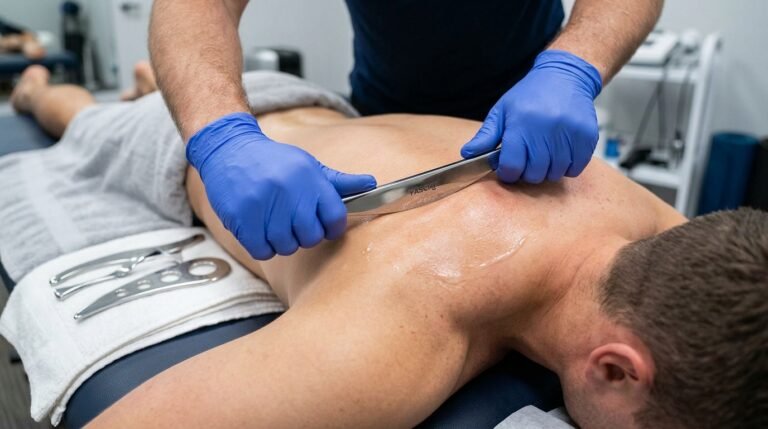
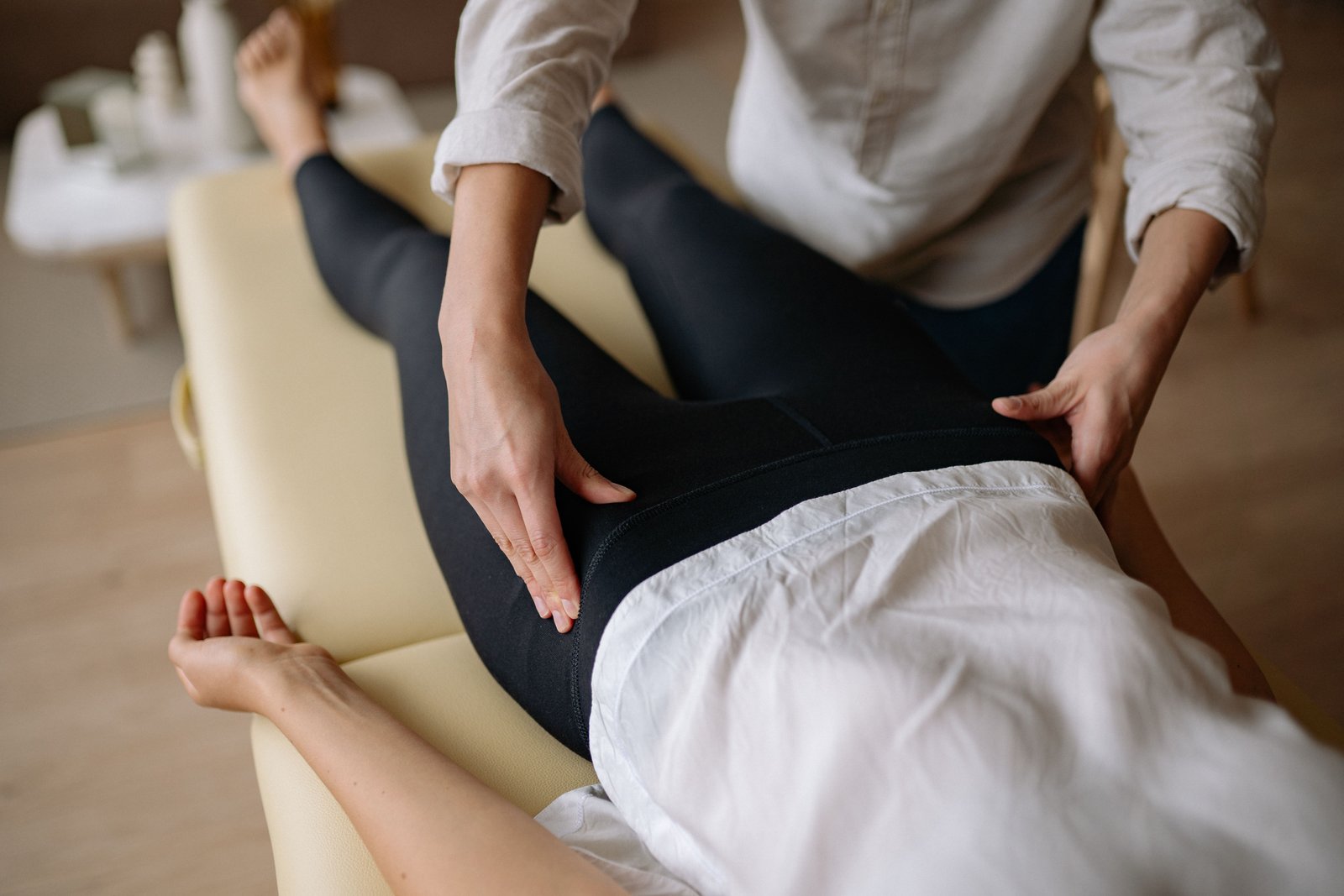
Treatment may then include hands-on therapy to address areas of muscle tightness, alongside mobility exercises and strengthening work.
You may also be given simple exercises to do between sessions. These could focus on your hips, glutes, core or other areas that need more mobility or strength.
The goal is not to make you as flexible as possible. It is to help you move more comfortably and confidently.
Does Pelvic Mobility Therapy Help With Pelvic Pain?
It can help with some types of musculoskeletal pelvic pain, particularly when the symptoms are linked to muscles, joints or movement. However, pelvic pain can have many possible causes, including problems affecting the bladder, bowel or reproductive organs.
That is why it is important not to assume that stiffness or poor mobility is the cause of pelvic pain.
A proper assessment can help determine whether physiotherapy is appropriate or whether you need to speak to your GP or another healthcare professional.
This is particularly important if your pain is severe, getting worse, affecting your ability to move, or accompanied by symptoms such as unusual bleeding, difficulty passing urine or stool, fever, vomiting or dizziness.
Pelvic Mobility During Pregnancy
Pregnancy can also affect how the pelvis feels and moves.
Pregnancy-related pelvic girdle pain can cause discomfort around the pubic bone, lower back, pelvis and thighs. It may become more noticeable when walking, using stairs, standing on one leg or turning in bed.
Physiotherapy can be used to help manage pregnancy-related pelvic pain. Treatment may include exercises for the pelvic floor, stomach, back and hip muscles, as well as advice on movement and activity.
If you are pregnant and experiencing pelvic pain, it is important to speak to your midwife, GP or an appropriately trained physiotherapist before starting a new treatment programme.
What Can You Do Between Sessions?
Your therapist may recommend simple mobility exercises to continue at home.
These exercises should match your symptoms and your current level of movement. They may include gentle hip movements, stretches or strengthening exercises.
You should not feel that you need to push through significant pain to improve your flexibility. The aim is controlled movement that gradually helps you become more comfortable and confident.
Regular movement can also be useful if you spend much of your day sitting. Getting up regularly, changing position and taking short walks can help break up long periods of inactivity.
How Long Does Pelvic Mobility Therapy Take?
There is no single timeline because pelvic stiffness and pain can have different causes.
Someone with mild stiffness after spending long hours sitting may need a different approach from someone who has had pelvic pain for several months or is returning to sport after an injury.
Your progress can also depend on how consistently you follow your exercise programme and whether the activity that contributed to the problem has been addressed.
At Hekas, we focus on giving you a realistic treatment plan based on your symptoms rather than promising a fixed number of sessions.
When Should You Get Your Pelvic Mobility Assessed?
You do not need to wait until pelvic stiffness becomes severe before getting it assessed.
Consider speaking to a physiotherapist if stiffness or discomfort has started affecting your daily activities, exercise or ability to move normally. An assessment can help determine whether restricted mobility is actually contributing to the problem and what treatment may be appropriate.
Pelvic pain that does not go away should also be assessed because there are many possible causes beyond muscles and movement.
How Can Hekas Help?
At Hekas, our Manchester team takes a practical approach to mobility and movement problems.
We look at how your hips, pelvis, lower back and legs work together rather than focusing only on the area where you feel discomfort.
Your treatment may combine hands-on therapy, mobility exercises, strengthening and advice on managing your daily activities or training.
Whether you spend most of your day at a desk, work on your feet, run regularly or are trying to return to exercise, the aim is to help you understand your symptoms and work towards better movement.
If pelvic stiffness or discomfort is affecting the way you walk, exercise, work or move through your day, our Manchester team can assess your movement and recommend an appropriate treatment plan
Book an assessment with Hekas in Manchester to find out whether pelvic mobility therapy is suitable for you.
Frequently Asked Questions
- Can pelvic mobility therapy help with lower back stiffness?
It may help when restricted movement around the hips and pelvis is contributing to lower back symptoms. An assessment is needed to determine what may be causing your stiffness.
- Is pelvic mobility therapy only for athletes?
No. It can be useful for anyone experiencing movement restrictions or stiffness, including people who sit for long periods, work on their feet or are returning to exercise.
- How often should I do pelvic mobility exercises?
This depends on your symptoms and the exercises recommended by your physiotherapist. Your programme should be tailored to your needs rather than based on a fixed routine.
- Can pelvic mobility therapy help during pregnancy?
Physiotherapy can help manage some pregnancy-related pelvic girdle pain, but treatment should be appropriate for your stage of pregnancy and symptoms. Speak to your midwife, GP or a suitably trained physiotherapist for advice.