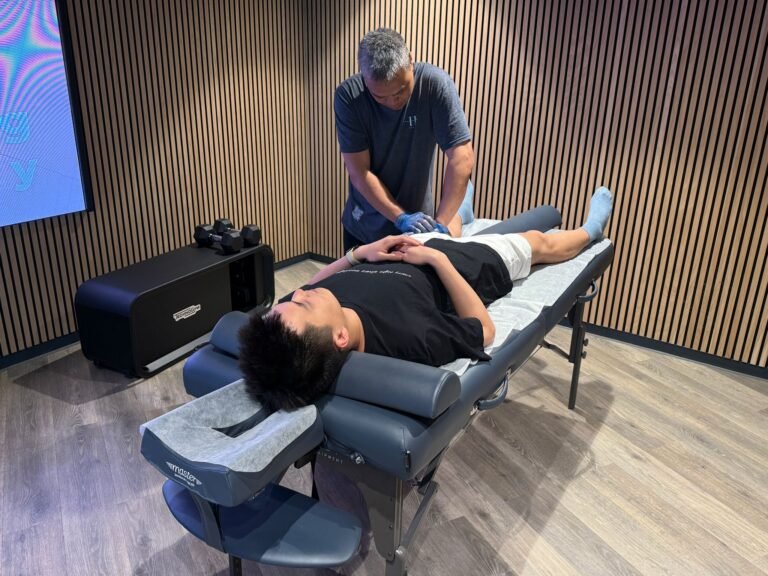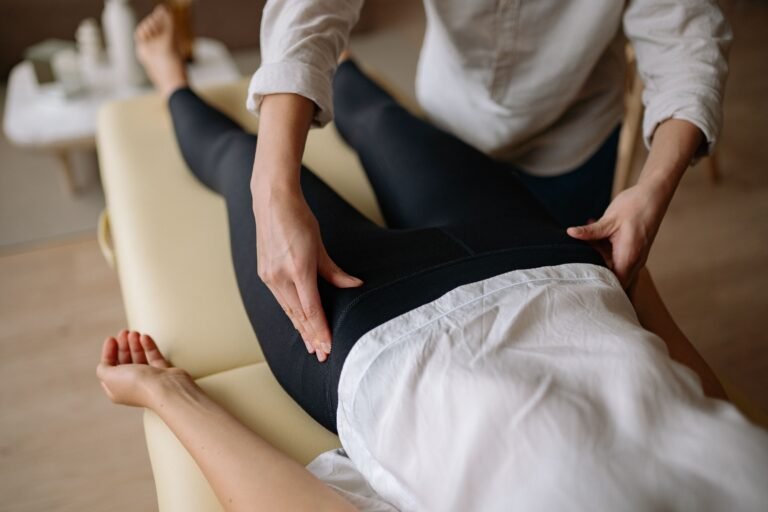


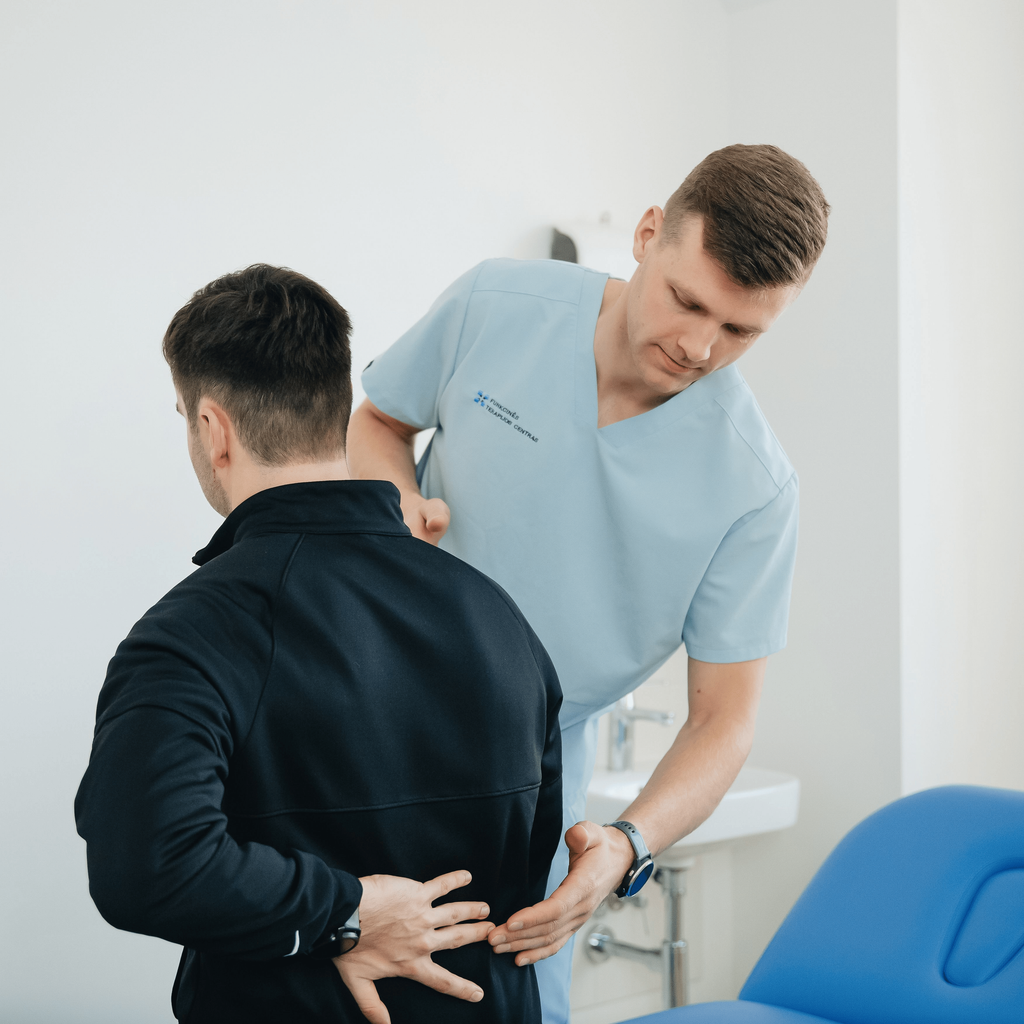
Back pain from desk work is usually caused by sitting in the same position for too long, weak postural muscles, and poor desk setup, not by a single injury. If you’re an office worker in Manchester experiencing back pain, an effective approach can combine massage therapy with better posture, regular movement breaks, and proper workstation setup to help relieve muscle tension and improve blood flow. If the pain persists or gets worse, seeing a sports therapist or physio can help identify the cause and provide lasting relief instead of dealing with the same pain every few months.
How Your Sedentary Lifestyle as a Desk Worker Causes Back Pain in the First Place
If you spend eight or more hours a day at a desk in Manchester, you may already be experiencing lower back pain, tightness between the shoulders, or stiffness. Sitting for long periods puts pressure on the lower back, tightens the hip muscles, and weakens the muscles that support your spine. Over time, this can also lead to a forward head and rounded shoulder posture that adds extra strain on your neck and upper back. It builds up gradually over weeks or months, which is why the pain can feel like it came “out of nowhere”.
Desk-related back pain is common among office workers, but the good news is that it can often improve with the right treatment and simple daily changes. Here are five massage-backed treatments that target the cause, not just the symptoms.
- Deep Tissue Massage for the Lower Back and Glutes
Prolonged sitting can tighten the hip flexors and glutes, causing the lower back muscles to work harder but deep tissue massage can help target these tight muscles. This is different from a relaxation massage because of the approach it uses to release tension and improve blood flow. You’ll experience firmer pressure that focuses on specific tight areas rather than the whole body. It is ideal if you’re currently experiencing dull, persistent lower back pain.
That firmer, area-specific approach is what our intensive sports massage is built around, so it is the session to ask for by name when you book.
- Myofascial Release for the Upper Back and Shoulders
The fascia is the tissue that surrounds your muscles, and it can become tight from sitting in the same hunched position for hours. Myofascial release uses slow, steady pressure to ease this tension and reduce the “knotted” feeling between your shoulder blades. It is gentler and slower than deep tissue massage because it uses sustained pressure rather than kneading. This treatment is ideal if you currently experience tightness between the shoulder blades or a stiff, rounded upper back from spending long hours at a screen.
- Trigger Point Therapy for Chronic Tension Spots
Some muscles can develop small, tight knots called trigger points that can cause pain in other areas. For example, a tight spot in the upper shoulder can contribute to headaches, neck pain, or shoulder pain. Trigger point therapy uses direct pressure to release these tight areas. It involves focused, sometimes firm pressure on specific points in your body. It’s ideal for office workers who experience recurring tension headaches or pain that spreads from the neck and shoulders.
- Sports Massage Combined with Postural Correction
Sports massage helps to loosen tight muscles, but if your posture and movement habits don’t change, the tension can return within days. It is important to combine sports massage with posture exercises to help strengthen weak muscles and stretch tight ones. Your treatment includes massage, along with specific exercises and stretches to do between visits. It’s ideal if you’ve had a massage before, felt better for a day or two, and then had the pain return.
If you want the fuller picture — including how it works for runners and lifters as well as desk workers — we have covered sports massage for back pain in depth.
- Regular Maintenance Massage (Every 3–4 Weeks)
Desk work puts ongoing stress on your body, so a single massage may not be enough to prevent the tension from returning. Regular maintenance sessions help to stop thetension from building up and becoming painful again. These are shorter, targeted sessions focused on your problem areas rather than a full-body massage each time. They’re ideal for maintaining results and preventing the pain from coming back.
What Our Hekas Therapist Recommends Between Sessions
Massage helps relieve built-up tension, but simple daily habits can help prevent it from coming back too quickly. If you’re an office worker in Manchester, here are 5 tips our Hekas therapists recommend for a healthy, sustainable lifestyle :
- Set a movement reminder every 45–60 minutes.
Standing up, getting some water, or doing a few shoulder rolls can help reset your posture before tension builds up. Setting a reminder helps you to take breaks away from your desk after hours of sitting.
- Adjust screen height before chair comfort.
Forward-head posture often comes from a screen that’s too low. Always keep the top of your screen roughly at eye level so you don’t have to strain your neck for long periods.
- Stretch the hip flexors, not just the back.
Tight hip flexors can contribute to lower back tension but a daily 30-second hip flexor stretch on each side can help relieve this tension and ease the pain.
- Don’t wait for pain to become sharp before booking in
A dull, recurring ache is easier and quicker to treat than pain that has been building for months. Schedule an assessment with your therapist immediately you notice warning signs of discomfort or pain.
- Pair massage with strengthening, not just stretching.
Tight muscles need to be loosened, while weak postural muscles need to be strengthened to prevent the same problem from coming back. Always combine your massage treatments with strengthening exercises.
What Our Clients Say
“I am a secretary who sits at a desk all day and I have had constant tightness in my lower back and shoulders for 5 years. After a few sessions at Hekas and doing the stretches they gave me, I feel so much better. I can now get through the workday without constantly needing to stretch or endure the back pain.”
— Rachel M., Manchester office worker
How to Choose the Right Massage for Your Back Pain
If you have a dull lower back ache, tightness between your shoulders, or neck pain that causes headaches and keeps coming back, these five massage treatments can help.
But if you are unsure which one is right for you? A proper assessment with our Hekas therapists can help identify the best treatment and save you time and money.
Money is part of that choice, so we have published how much each treatment route costs, from a single session through to a maintenance block.
Why Many Manchester Office Workers Choose Hekas
With 16 years of combined experience and a team of eight registered physiotherapists and sports therapists, Hekas has helped several Manchester office workers manage back and shoulder pain.
We begin each session by looking at your posture, workstation, and pain rather than giving you a generic massage. This helps us choose a treatment that suits your needs.
Whether you need a one-off deep tissue massage or regular sessions to prevent the pain from returning, we can create a plan that fits your work routine.
Ready to tackle your desk-related back pain? Book an assessment with the Hekas team in Manchester and get a treatment plan tailored to you.
Frequently Asked Questions
- How often should I get a massage for desk-related back pain?
For new or ongoing pain, weekly or fortnightly sessions for 3–4 weeks can help. Once the pain improves, a maintenance session every 3–4 weeks may help prevent it from returning.
- Is deep tissue massage painful?
It can feel firm, and some mild soreness the next day is normal. However, it shouldn’t be sharply painful. Let your therapist know if the pressure feels too intense.
- Can massage alone fix posture-related back pain?
Massage can relieve built-up tension, but lasting results usually require better posture, stretching, and strengthening. Otherwise, the same problem may return.
- Should I see a massage therapist or physiotherapist for back pain?
For general muscle tension from desk work, a sports massage therapist can be a good starting point. If your pain is sharp, travels down your leg, or doesn’t improve after a few sessions, see a physiotherapist for an assessment.
- How quickly will I feel relief?
Many people feel some relief after their first session, especially with muscle tightness. However, pain that has built up over months may take several sessions and some changes to your daily habits to fully improve.