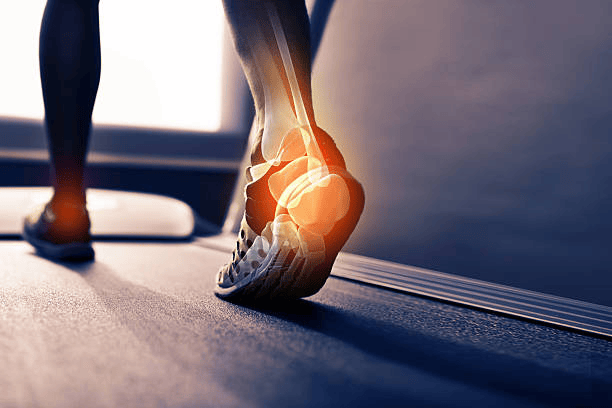


Foot mechanics for runners are essential for staying injury-free in Manchester, but many athletes confuse gear with technique. In fact, every runner in Manchester has asked the same question: ‘Is it my gear, or is it my technique? Whether you are training along the Bridgewater Canal or hitting the trails in Heaton Park, foot pain can bring your progress to a grinding halt. When injuries strike, many rush to replace their trainers. However, at Hekas Sports Therapy in Manchester, we frequently find that the culprit is not the shoe on your foot, but the mechanics of your stride.
Why Foot Mechanics for Runners Matter More Than Shoes
There is a common misconception that simply buying a “stability” or “maximum cushion” shoe will fix underlying biomechanical issues. In reality:
- Shoes are tools, not cures: While the right shoe provides comfort, no amount of foam can correct a faulty gait pattern.
- The “Cushioning Trap”: Highly cushioned shoes can sometimes mask the bio-feedback your feet need, leading to harder heel strikes without the runner realizing it.
- Individual Anatomy: A shoe that works for one athlete may be unsuitable for a runner with significant pronation or a heavy heel strike.
The Power of Cadence: The Secret to Efficiency
If your shoes aren’t the problem, your cadence—the number of steps you take per minute—likely is. Many recreational runners in Manchester have a lower-than-optimal cadence, which often leads to overstriding.
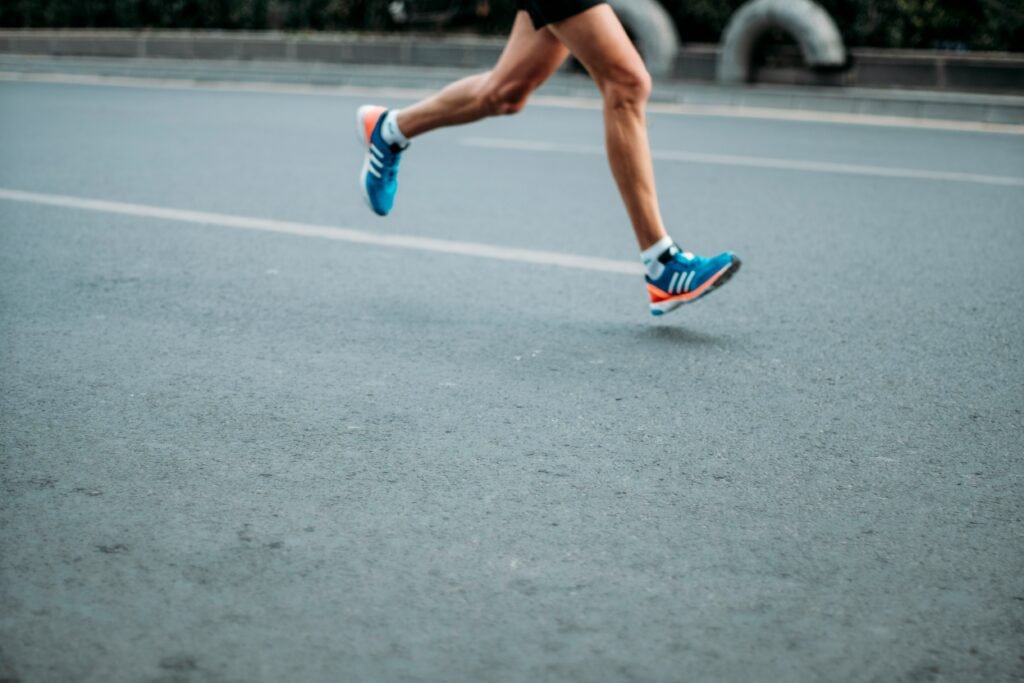
- Understanding Overstriding: When your cadence is too low, you reach forward with your lead leg, landing with your heel well in front of your center of gravity. This sends shockwaves up through your foot, ankle, and knee.
- The 180-Step Goal: A common target is a cadence near 180 steps per minute. Increasing your cadence by even 5-10% can significantly reduce ground reaction forces.
- Improving Mechanics: Higher cadence encourages a shorter, quicker stride, which shifts your landing point closer to your center of gravity, acting as a natural shock absorber.
How to Evaluate Your Own Running Mechanics
Before investing in another pair of expensive shoes, try these diagnostic steps to see if your cadence is the bottleneck:
- Record Your Stride: Film yourself running from the side. If your foot lands far ahead of your knee, you are likely overstriding.
- Count Your Steps: Count your right foot strikes in 60 seconds and multiply by two. If you are well below 160, you have room to improve.
- Small Increments: Do not jump to 180 overnight. Try increasing your current cadence by 5% and focus on a “quieter” landing. Your feet should feel like they are lightly skimming the ground.
When to Seek Professional Support
Sometimes, foot mechanics issues are deeply ingrained due to muscle imbalances or limited ankle mobility.
At Hekas Sports Therapy, we specialize in expert gait analysis to pinpoint exactly why you are experiencing pain. We look at the full kinetic chain—from your feet up to your hips—to ensure your body is working as one efficient unit. Don’t let foot pain force you into an unwanted training break.
Where that assessment finds damage rather than inefficiency, rehabilitation built on that gait analysis takes over, strengthening the links that failed before you rebuild mileage.
Book your biomechanical assessment with Hekas Sports Therapy in Manchester today to get a personalized plan to improve your run. If you have questions about your specific training aches, send our team a direct message on WhatsApp for professional guidance.
Frequently Asked Questions (FAQ)
Does my foot type matter when choosing shoes? Yes, but mechanics matter more. We recommend an assessment in our Manchester clinic to see how your foot functions under load, rather than just looking at arch height.
Is it dangerous to change my cadence too quickly? Yes. Increasing cadence too drastically can put extra stress on your calves and Achilles tendons. We recommend a gradual 5% increase to allow your tissues to adapt safely.
Can sports therapy help me become a faster runner? Absolutely. By improving your movement efficiency and addressing structural restrictions, you don’t just run with less pain—you run with more power and speed.