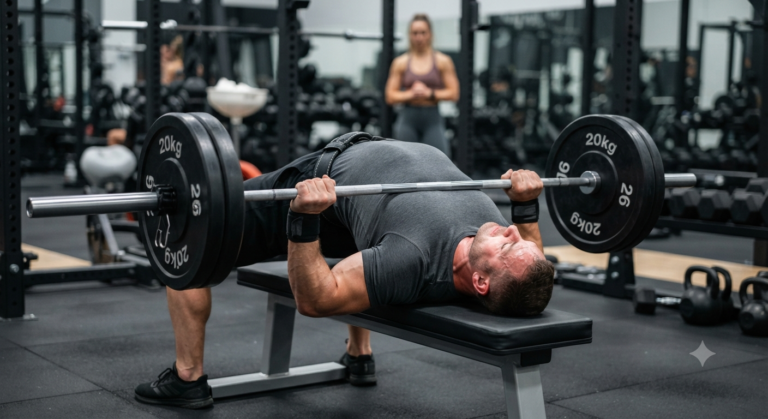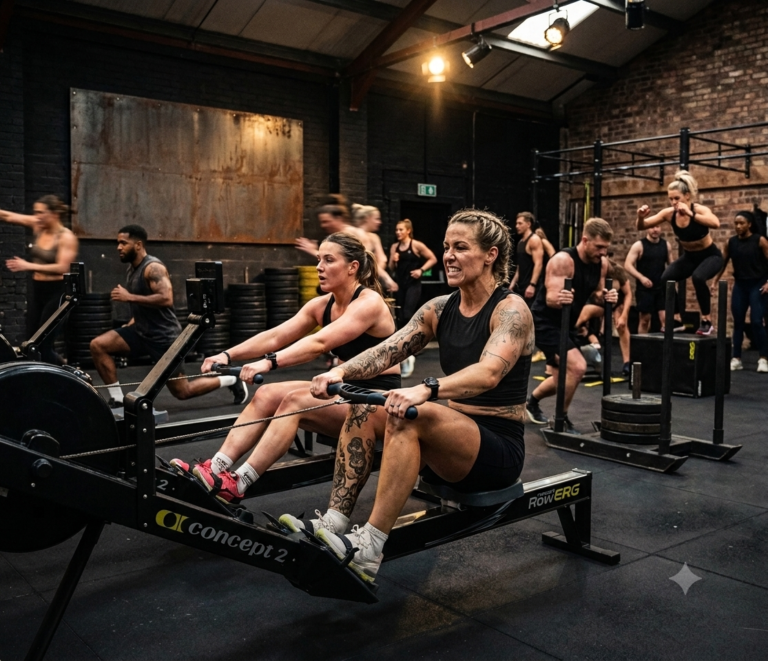

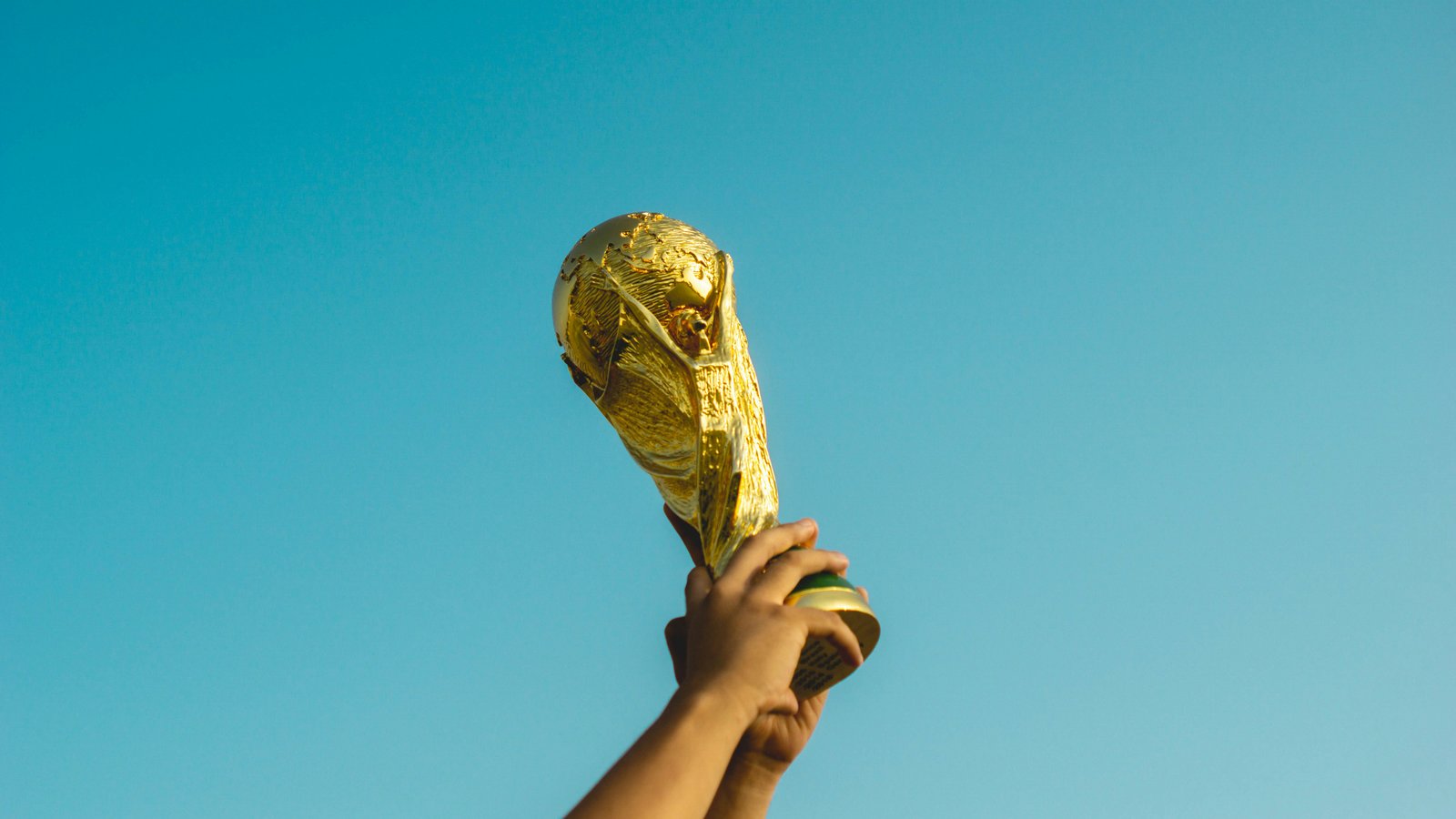
When it comes to off-season recovery, the stunning conclusion of the World Cup offers massive lessons for both elite athletes and everyday players. As the tournament draws to a close with Spain clinching the title after an intense final at MetLife Stadium, global football fans and players alike are entering a well-deserved period of rest and recovery. However, for both professional athletes and grassroots players, enduring months of high-intensity competition, frequent fixtures, and massive physical pressure pushes the body to its limits. During a high-stakes match, players must deal with constant running, abrupt changes of direction, and heavy physical contact and jostling—all of which are major contributors to sports injuries.
1. Acute Injuries Caused by Collisions and Jostling
Football is a high-contact sport. When players suffer shoves, tackles, or collisions while moving at high speeds or challenging for an aerial ball, it frequently leads to acute injuries:
- Joint and Ligament Tears (e.g., ACL / MCL Damage): Being shoved by an opponent during an awkward landing or high-speed pivot forces the knee joint into abnormal rotational and valgus stress, damaging cruciate or collateral ligaments.
- Shoulder and Clavicle Dislocations: Falling directly onto an outstretched arm or taking a direct lateral impact to the shoulder during a collision often results in an acromioclavicular joint injury or shoulder dislocation.
- Severe Muscle Strains or Contusions: Sudden exertion during a duel or taking an opponent’s knee directly to the thigh (commonly known as a “dead leg”) can cause severe contusions and fiber tearing in the quadriceps or hamstrings.
2. Chronic Wear and Tear from Dense Fixtures and Physical Contact
Beyond single-impact acute injuries, the repetitive physical contact throughout a grueling match accumulates massive bodily stress:
- Micro-traumas: Every physical battle, collision, and explosive sprint creates micro-tears in muscle tissue, tendons, and articular cartilage. Without proper post-match recovery, these accumulate into chronic inflammation.
- Body Compensation and Postural Imbalance: When localized muscles become tight due to impact or fatigue, the body automatically recruits other muscle groups to compensate, often triggering pelvic tilt, lower back pain, or lumbar strain.
- Nervous System Fatigue: High-intensity matches drain more than just physical energy; maintaining prolonged mental concentration keeps the nervous system locked in a state of high tension.
3. Three Key Pillars of Off-Season Recovery and Reset
Rest does not mean doing nothing. Faced with the cumulative injuries and fatigue from intense competition, players must avoid simply “powering through” the pain. Proper off-season recovery is essential. To return to peak condition for the next campaign, a scientific management plan should include:
- Comprehensive Soft Tissue Release and Repair: Utilizing professional deep tissue massage or myofascial release effectively targets muscle adhesions and deep-seated tightness caused by match-day collisions, accelerating circulation and flushing out metabolic waste.
- Biomechanical Assessment and Correction: Taking advantage of the pressure-free off-season window to undergo thorough movement and biomechanical evaluations helps identify left-right asymmetries, movement compensations, or core instability.
- Progressive Conditioning Rebuilding: Following an initial period of total physical rest, low-intensity core and stability training (such as single-leg balance and proprioception drills) prevents muscle atrophy and prepares the body for pre-season.
Professional Support and Health Management
Whether you are competing in a local league or are a passionate amateur player, the signals of pain and impact your body sends should not be ignored. Prioritizing structured off-season recovery ensures that you stay fit and ready. Prevention always outweighs treatment—taking the time this off-season to comprehensively evaluate and maintain your body is the only way to stay on the pitch long-term. You can also check our services page for more details on physical therapy options.
Book your professional assessment and physical therapy at Hekas Sports Therapy today, and let our expert team tailor an off-season recovery plan for you. Have questions about your physical condition? Click here to send us a message on WhatsApp for expert guidance.
Frequently Asked Questions (FAQ)
Why shouldn’t players just completely stop moving and resting after the World Cup? While rest is vital, complete physical inactivity leads to rapid muscle atrophy, reduced cardiovascular endurance, and joint stiffness. Moderate active recovery and therapy are essential to maintain physiological function.
Is massage actually helpful if my entire body feels tight after a season? Extremely. Professional soft-tissue therapy targets deep muscle tightness and nodules that standard daily stretching simply cannot reach.
How do I know if I am at risk for potential sports injuries? The most effective approach is to consult a professional therapist for a biomechanical and movement quality assessment to catch and correct compensatory patterns before pain manifests.