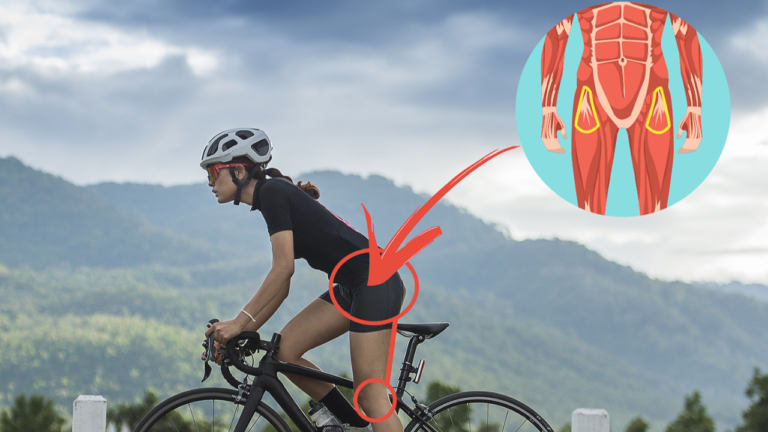

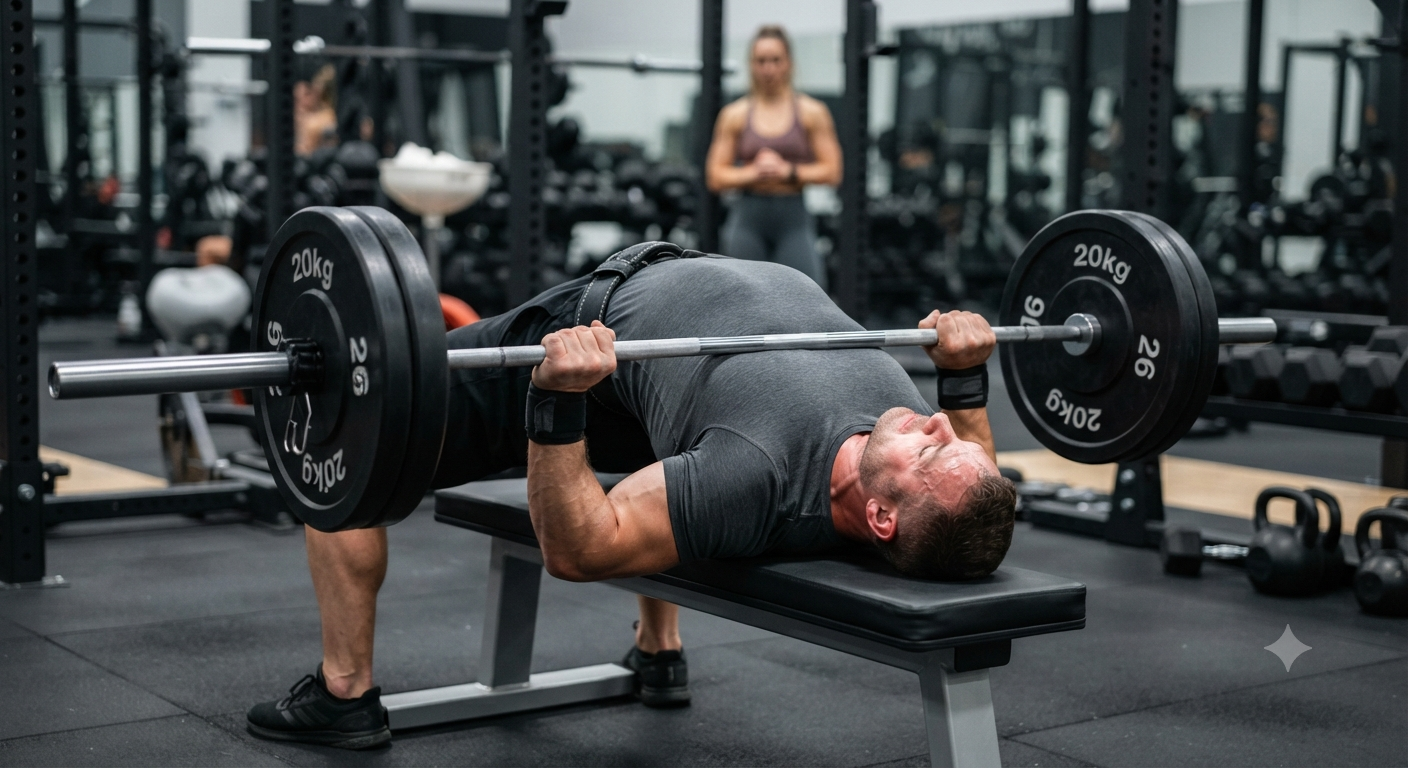
Shoulder impingement bench press pain can be frustrating, but with the right technique adjustments, you can get back to training effectively.The bench press is a cornerstone of upper-body strength, but for many lifters, it often comes with a persistent, nagging pain in the front of the shoulder. This sensation is frequently linked to shoulder impingement—a condition where the tendons of the rotator cuff are compressed or irritated during the pressing movement.
At Hekas Sports Therapy, we help lifters in Manchester get back under the bar without the ache. Understanding why impingement occurs is the first step toward building a pain-free pressing routine.
Why Shoulder Impingement Bench Press Pain Occurs
Shoulder impingement during the bench press is rarely a mystery; it is usually the result of poor mechanics combined with repetitive load. When you press, your shoulder joint needs to move smoothly. If the mechanics are off, the space in your shoulder joint narrows, pinching the soft tissue.
Common culprits include:
- Excessive Elbow Flaring: Keeping your elbows at a 90-degree angle relative to your torso creates significant internal rotation, which is a primary trigger for impingement.
- Lack of Scapular Stability: Failing to “retract and depress” your shoulder blades (pinching them together and down) means your shoulders move independently of the bench, losing the stable base required for safe pressing.
- Overuse and Fatigue: Repeatedly pushing to failure without adequate rest leads to muscle imbalances, where the front of the shoulder becomes overworked while the stabilizing muscles of the back weaken.
- Limited Thoracic Mobility: If your upper back is stiff, your shoulders must compensate by moving into a compromised position to reach the bar, increasing the risk of impingement.
How to Adjust Your Technique for Pain-Free Lifting
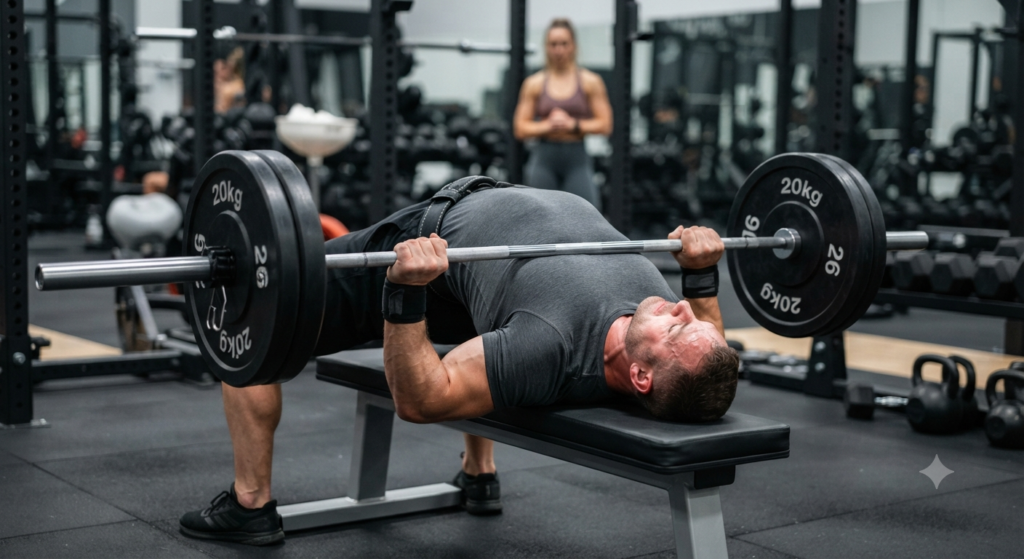
You don’t need to stop benching to fix your shoulder. By making these tactical adjustments, you can alleviate pressure and promote better joint health:
- Tuck Your Elbows (The 45-Degree Rule): Aim to keep your elbows tucked at roughly a 45-degree angle to your body rather than flared wide. This creates a more natural path for the shoulder joint.
- Activate Your Scapula: Before you unrack the bar, imagine trying to squeeze an orange between your shoulder blades. Keep them pinned against the bench throughout the entire movement.
- Use a Narrower Grip: A grip that is too wide increases the distance the shoulders must travel and exacerbates internal rotation. Narrowing your grip slightly can significantly reduce shoulder stress.
- Prioritize Your Back Training: For every set of pressing you do, aim for two sets of pulling exercises (like rows or pull-downs). A strong back is the best insurance policy against shoulder impingement.
- Adjust Your Bar Path: Many lifters make the mistake of pressing the bar in a straight vertical line. Instead, try to press the bar in a slight “J-curve” path—lowering it to your lower sternum and pressing it back up toward your face. This trajectory puts your shoulders in a much safer, more biomechanically neutral position compared to pressing straight up from the middle of your chest.
When to Seek Professional Support
Sometimes, technique adjustments are not enough because the damage or inflammation has already set in. If you feel sharp, stabbing pain, or if the discomfort persists even when you aren’t lifting, it is time to consult a professional.
At Hekas Sports Therapy, we specialize in identifying the underlying cause of your lifting pain. We provide targeted soft-tissue work to release tight chest and shoulder muscles, combined with corrective exercises to improve your scapular and thoracic mobility.
If the tendon is already irritated rather than simply compressed, technique alone will not settle it — rehab for an irritated rotator cuff loads the tissue back to capacity in stages before you return to heavy pressing.
Don’t let shoulder pain plateau your progress. Book your session with Hekas today and experience the difference that expert-level sports therapy can make for your training. Alternatively, if you would like to consult with our sports therapist about your specific symptoms first, simply send our team a direct message on WhatsApp today!
Frequently Asked Questions (FAQ)
Is bench pressing bad for my shoulders?
The bench press is a safe exercise when performed with proper form. However, if you are currently struggling with shoulder impingement bench press symptoms, we recommend reducing your intensity or seeking professional advice. Issues typically arise when technique is compromised or when you ignore signs of muscle imbalance.
Should I stop bench pressing if I have impingement?
You may need to temporarily reduce the intensity or switch to a variation like the Floor Press or Dumbbell Press, which can be more shoulder-friendly. We recommend a professional assessment to determine the best course of action.
Can sports therapy help me bench heavier?
Yes! By fixing mobility restrictions and muscle imbalances, you can create a more stable and powerful pressing platform. Better mechanics often lead to better performance.