

HYROX Manchester 2027 is returning from 20 to 31 January 2027, giving fitness enthusiasts and competitive athletes another opportunity to put their strength, endurance and overall fitness to the test. The event will take place at Manchester Central Convention Complex, with Open, Pro, Doubles and Relay categories available.
Whether this is your first HYROX race or you are hoping to improve on your previous performance, your preparation should involve more than running and strength training. The competition puts repeated demands on different parts of your body, so recovery and injury prevention are just as important as building fitness.
Our guide explains why HYROX may be physically demanding and seven practical ways to prepare for race day while reducing your risk of injury.

What Makes HYROX Physically Demanding?
HYROX combines running with functional fitness exercises. During the competition, participants complete eight rounds and each one includes a 1km run followed by a workout station. This means you need to manage your energy while switching between running and strength exercises.
The eight workout stations are:
- SkiErg
- Sled push
- Sled pull
- Burpee broad jumps
- Rowing
- Farmers carry
- Sandbag lunges
- Wall balls
Each exercise challenges your body in a different way. Running puts repeated pressure on your lower body, while sled pushes and farmers carries require strength and control. Lunges and wall balls also involve repeated movements that can become harder as you get tired. Completing each exercise is only one part of the event. You also need to maintain good technique and manage your pace throughout the race.
Without proper preparation, the combination of running and strength exercises can put too much strain on your muscles and joints. For more advice on HYROX preparation, read our previous guide to the training habits of Manchester’s top HYROX athletes.
Common Injuries and Physical Problems HYROX Athletes Should Watch For
HYROX training involves different types of exercise, so athletes may experience different injuries or physical problems. Your fitness level, technique, training history and recovery habits can all play a part.
Here are some common issues to watch for:
Calf strains: Running, jumping and pushing heavy sleds put pressure on your calf muscles. A sudden increase in training intensity or insufficient recovery may contribute to muscle strain.
Achilles tendon pain: The repeated impact from running and jumping can irritate the Achilles tendon, especially when you increase your running distance or training intensity too quickly.
Lower back discomfort: Exercises such as sled pulls and farmers carries require good movement control. Poor technique, heavy weights or tired muscles may contribute to lower back discomfort.
Shoulder pain: SkiErg exercises, rowing and wall balls involve repeated shoulder movements. Athletes who increase their training load too quickly or struggle with exercise technique may develop shoulder discomfort.
Knee and hip discomfort: Running, lunges and burpee broad jumps place repeated demands on your knees and hips. Existing movement problems or sudden increases in training can make these areas more likely to develop pain.
Not every ache after exercise means you have an injury. However, pain that continues, gets worse or affects how you move should not be ignored. Training through an injury may make recovery more difficult.
6 Ways to Prepare for HYROX Manchester 2027 and Reduce Your Risk of Injury
You do not need to train at maximum intensity every day to prepare for HYROX. A balanced training plan that improves your endurance, strength and movement control can help you get ready for race day.
Here are seven ways to prepare.
- Build Your Running Endurance Gradually
Running is a major part of HYROX. Participants cover a total distance of 8km during the race, so you need to be comfortable with running, even if you are already strong in the gym. Start with a running routine that matches your current fitness level. If you are new to running, begin with shorter distances or alternate between walking and running.
If you already run regularly, you can gradually increase your distance and work on maintaining a steady pace. Avoid increasing your running distance, speed and frequency all at once. Give your body enough time to adjust. This can help reduce the risk of overuse injuries, especially around your calves, knees and Achilles tendons.
- Build Strength for the Workout Stations
Running alone will not prepare you for all the HYROX workout stations. You also need enough strength to handle exercises such as sled pushes, sled pulls, farmers carries and sandbag lunges. You should consider including exercises that strengthen your legs, core, shoulders and upper body. Squats, lunges, rows, carries and controlled pushing exercises can help prepare you for the different stations.
Focus on getting your technique right before increasing the weight or number of repetitions. Good technique helps you stay in control and reduces unnecessary strain on your muscles and joints.
- Practise Switching Between Running and Strength Exercises
One of the challenges of HYROX is moving from running straight into a workout station. You have to adjust to a different type of exercise even when you are already tired. Practising this during training can help your body get used to the change.
For example, you could run a short distance, complete a set of lunges or rowing exercises, and then repeat the sequence. You do not have to complete the full HYROX race during every training session. Start with shorter combinations and gradually make them more challenging as your fitness improves.
- Give Your Body Enough Time to Recover
Training regularly is great, but recovery is just as important. Your muscles need time to adapt, especially when your routine includes running, strength training and high-intensity exercise. Avoid training the same muscle groups intensely every day. Always include rest days or lighter sessions in your weekly routine. The right balance will depend on your fitness level and how your body feels.
Getting enough sleep, drinking water and eating balanced meals can also support recovery. If you feel tired all the time, struggle with exercises you normally find easy or experience muscle soreness that does not improve, you may need to adjust your training plan.
- Improve Your Mobility and Movement Control
HYROX involves repeated movements that place demands on different muscles and joints. Having enough mobility can help you perform these movements more comfortably and maintain good technique. Warm up properly before training and include mobility exercises that prepare you for the movements you will be doing. Pay attention to areas such as your ankles, hips, shoulders and upper back.
Flexibility alone is not enough. You also need to control your movements. Practise exercises such as lunges and squats at a pace that allows you to maintain good form. If your technique starts to suffer as you get tired, reduce the intensity and build up gradually.
- Do Not Ignore Recurring Pain
When you have a race coming up, it can be tempting to ignore pain and keep training. However, pushing through discomfort that keeps returning can make an injury worse. Pay attention to pain that comes back during certain exercises, becomes more intense, or continues after your workout.
For example, repeated calf pain while running or shoulder discomfort during wall balls may be a sign that something needs attention. If the pain continues or gets worse, consider seeing a qualified healthcare professional or sports therapist. Getting an assessment early can help you understand the problem and decide what changes you need to make before returning to your normal training routine.
Why Recovery Matters During HYROX Preparation
Recovery should not be something you think about only after race day. It needs to be part of your training plan from the beginning. If you keep training harder than your body can recover from, you may experience ongoing tiredness, reduced performance, or recurring pain.
A good recovery routine should include getting enough sleep each night, taking regular rest days, staying hydrated, and eating balanced meals. You should also adjust your training when you feel unusually tired or sore.
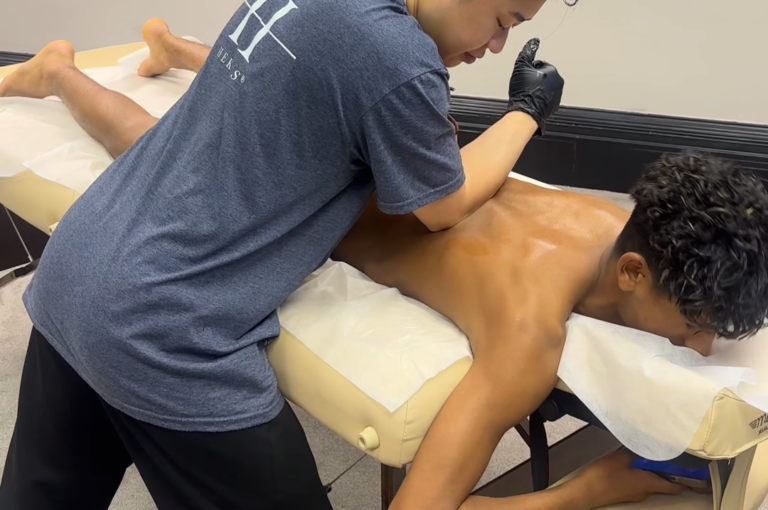
Pay attention to how you feel between training sessions. If you are still very sore or tired when your next demanding workout is due, consider reducing the intensity. Sports massage may also be useful as part of your recovery routine.
Should You Get a Sports Massage Before HYROX?
Sports massage may help athletes who experience muscle tightness during demanding training programmes. It can help relieve tension and support relaxation, especially if your routine involves frequent running and strength exercises.
However, sports massage is not a replacement for injury treatment.
If you have sharp pain, swelling, difficulty moving, or discomfort that keeps returning, get the problem assessed before relying on massage for relief.
Timing is also important. Avoid trying an unfamiliar or particularly intense treatment just before race day. If sports massage is already part of your training routine, speak to your therapist about the best time to have a session so it does not affect your preparation.
What Should You Do If You Get Injured Before Race Day?
Getting injured shortly before HYROX Manchester can be frustrating, especially after weeks of preparation. However, continuing to train without understanding the problem may make recovery more difficult.
If you feel pain during a workout, stop or change the activity instead of forcing yourself to finish. Pay attention to whether the pain improves with rest or continues during everyday activities. A professional assessment can also help identify the affected area and what may be causing the problem.
Do not assume that you are ready to compete just because you can walk or complete a light workout without pain. Returning to high-intensity exercise too soon may make the injury worse. Your readiness should depend on your symptoms, movement, strength, and ability to handle the physical demands of the competition.
Preparing for HYROX Manchester? How Hekas Can Help
Preparing for HYROX involves more than improving your race time. You also need to understand how your body responds to training, manage recurring discomfort, and allow enough time for recovery.
At Hekas Sports Therapy in Manchester, athletes can get support with sports-related pain, injury rehabilitation, and muscle recovery. If you are experiencing discomfort during HYROX training or finding it difficult to return to exercise after an injury, a sports therapy assessment can help you understand the next steps.
Whether you need help managing an existing injury or advice on handling the physical demands of training, your treatment and recovery plan should reflect your condition, activity level and individual needs.
HYROX Manchester takes place from 20 to 31 January 2027 at Manchester Central Convention Complex. If you are taking part, start preparing early, listen to your body, and make recovery part of your training plan. Reach out today to schedule a professional assessment.