
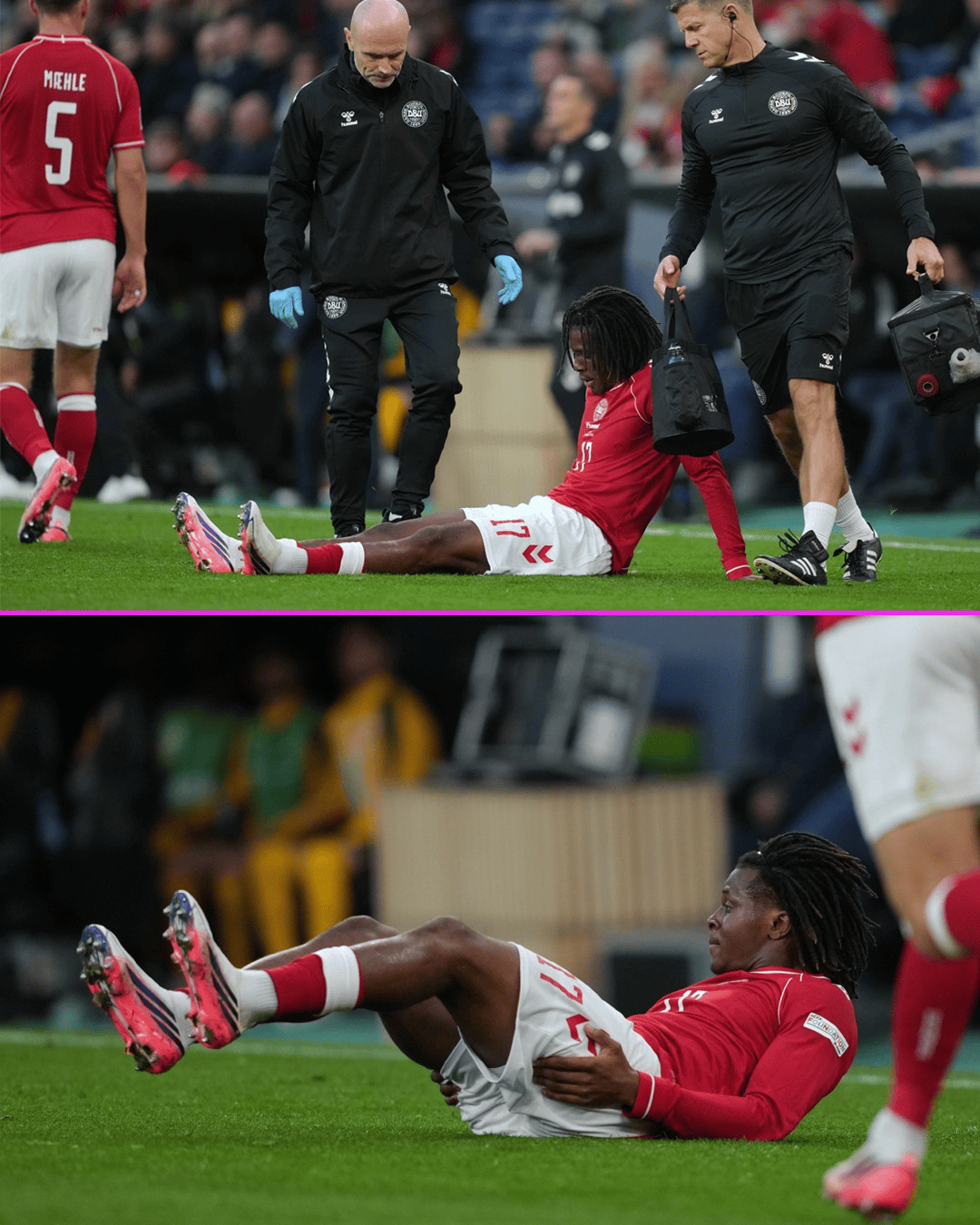
Manchester United injury crisis has again become a major talking point for fans. Luke Shaw and Patrick Dorgu are among the injured players, leaving the team short of natural left-backs. Benjamin Šeško has also faced fitness concerns, but there is some good news as Kobbie Mainoo has returned to first-team training.
It is easy to point the finger at training loads or medical decisions, but only the club knows the details of its players’ treatment and workload. What we can do is look at what research says about why footballers get injured, what good rehabilitation involves, and what everyday players can learn from it.
Why Manchester United Injury Crisis Is Raising Concerns
The pressure is most obvious at left-back. When two players in the same position are unavailable, the manager has to find alternatives. This could mean playing someone out of position, changing the formation or using a less experienced player.
Each option has a cost. A player in an unfamiliar position may struggle defensively, while a change in formation can disrupt the team’s usual style of play. This also puts pressure on squad depth. Losing one player is manageable, but losing several in the same position makes things much harder.
The current situation shows why Manchester United’s injury crisis affects more than just the players who are unavailable. They also affect team selection, formation and the workload of the remaining players.
Are Workload and Recovery Contributing to Football Injuries?
It is natural to wonder whether heavy workloads and poor recovery are contributing to these injuries. However, we cannot confirm this in United’s case without access to the players’ private training and medical records. What we can explain are the common causes of football injuries identified by sports medicine research.
- Match frequency
Professional footballers often play twice a week, leaving less time for their muscles and bodies to recover between games. UEFA’s long-running injury study has found that muscle injuries are common in professional football and that playing more matches can increase the risk.
- Training demands
Football involves a lot of sprinting, quick stops and sudden changes in direction. These movements put pressure on the hamstrings, groin, calves and thigh muscles. Since they are a normal part of the game, the risk of injury can never be completely avoided.
- Sudden changes in load
Managing football workloads means avoiding sudden increases in training or playing time. The body needs time to adjust to physical demands. If training becomes much harder too quickly, or a player returns to heavy training after a break, their muscles and tissues may not be ready for the extra pressure.
- Previous injury
A previous injury can increase the risk of another one. If a muscle has not fully recovered or a player returns before regaining full strength, they are more likely to get injured again.
- Fatigue, sleep and travel
Fatigue can affect how muscles work, body coordination and reaction time. Sleep, good nutrition and drinking enough water all help the body recover. However, these can be harder to manage during busy periods when players have frequent matches and travel.
Injuries often have several causes. By the time a player gets injured, different factors may have already been building up over time. This is why injury prevention in football must consider a player’s overall health, workload and recovery, not just individual matches or training sessions.
Could Rehabilitation and Return-to-Play Decisions Make a Difference?
Rehabilitation involves more than waiting for the pain to go away. Feeling better does not always mean a player is ready to return to football. A muscle may stop hurting before it is strong enough to handle sprinting, kicking and sudden changes in direction during a match.
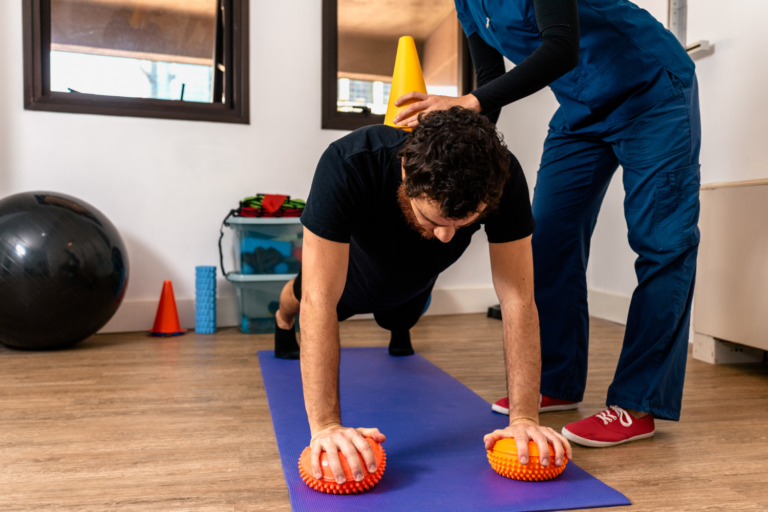
A good rehabilitation programme follows a clear plan. It starts with simple exercises and gradually increases in difficulty as the player gets stronger. The exact approach depends on the type of injury:
- Proper assessment
When an injury occurs, the first step is to find out what is injured, how serious it is and what may have caused it.
- Managing early symptoms
The next step is to reduce pain and swelling while keeping the affected area moving safely.
- Building movement and strength
As recovery progresses, exercises should help the injured muscle regain strength and handle physical activity again.
- Returning to running and football activities
The player should gradually move from light jogging to sprinting, kicking and changing direction.
- Checking readiness to play
Before returning to matches, the player should regain enough strength, movement and fitness to handle the demands of football.
Returning to football after an injury requires careful planning. If a player returns too soon, they may get injured again. Waiting too long can also affect their fitness and confidence. This is why each player’s recovery should be assessed individually.
We do not know the details of Manchester United players’ rehabilitation, so this should not be seen as criticism of the club’s medical team. Top clubs have access to experienced medical and fitness professionals. These recovery principles apply to all levels of football.
What Our Sports Therapist Says
After years of working with athletes in Manchester, one thing I have noticed is how often players underestimate muscle injuries, especially when they have important matches coming up. Many are eager to get back on the pitch, so they push through discomfort or return to training as soon as the pain settles.
That in itself isn’t wrong. The problem is that feeling better does not always mean the muscle is ready for the demands of football. A player may be able to walk or jog without pain but still struggle with sprinting, sudden changes in direction or repeated high-intensity movements. Returning too soon can lead to another injury and an even longer recovery.
My advice is always to take muscle injuries seriously from the start. Stop the activity that caused the pain, avoid movements that make it worse and seek advice from a qualified healthcare professional or sports therapist. The right approach will depend on the type and severity of the injury.
Rehabilitation should be gradual, with a focus on rebuilding strength, restoring movement and preparing the muscle for the demands of the sport. The aim is not simply to get players out of pain, but to help them return safely and reduce the risk of getting injured again.
Sylar
Lead Sports Therapist, Hekas Manchester
How Are Injuries Affecting Manchester United’s Performance?
When important players are injured, it can affect how a team plays. For example, losing a left-back can weaken the defence on that side and limit attacking options. Missing midfielders or forwards can also make it harder for the manager to choose the right team and formation.
Squad depth also becomes important. When regular players are unavailable, the manager has to rely on replacements, and the team may need time to adjust. This was clear when Luke Shaw missed the Champions League match against Sabah on September 10, 2026, with Patrick Dorgu taking his place at left-back. Dorgu had to play in a more advanced role in that game because United were in control. In October, several absences, including Shaw, Lisandro Martínez and Kobbie Mainoo, meant Michael Carrick had to make four changes for the match against Como on October 21. United went on to lose 4-1. Although injuries were not the only factor behind the result, these examples show how missing players can affect team selection and the options available to a manager.
However, injuries are not the only reason a team wins or loses. Tactics, the strength of the opposition, player form, match schedules and luck also affect results. Injuries are just one of several factors, so it is difficult to know exactly how much they influence a team’s performance.
What Can Amateur Footballers Learn From United’s Injury Problems?
You do not have to be a professional footballer to learn from how top clubs manage injuries. The same advice can help people who play football on regular weekends, gym-goers, or runners.
- Take repeated pain seriously
If you keep experiencing a tight hamstring or sore groin, do not ignore it. Continuing to play through the pain could make the problem worse and delay recovery.
- Increase activity gradually
Avoid suddenly increasing how much you train or play. If you are returning after a break, start slowly and give your body time to adjust before returning to full activity.
- Make time to recover
Getting enough sleep, drinking water and eating well all help your body recover. You should also allow enough rest between demanding training sessions or matches.
- Build strength in key muscles
Strong hamstrings, glutes, calves and hips help your body cope with the demands of football, such as sprinting and changing direction. Exercises like Nordic curls can help strengthen the hamstrings, but they should be introduced gradually to avoid excessive soreness. A structured warm-up, such as the FIFA 11+ programme, can also help reduce injuries in amateur footballers.
- Do not rush your return
Being free from pain does not always mean you are ready to play again. Before returning to full matches, you should be able to jog, sprint, change direction and kick comfortably. Your strength should also be close to what it was before the injury.
- Get professional advice early
Trying to work out the cause of a muscle injury yourself can be difficult. A qualified health professional can assess the problem and recommend the right treatment and recovery plan.
Sports Injury Rehabilitation in Manchester
If you play football in Manchester and have an injury, getting the right help early can make recovery easier. At Hekas, our sports therapists can assess your injury, identify possible causes and create a recovery plan based on your needs and goals. Whether you want to return to weekend football or competitive matches, we can help you work towards that goal.
Our sports rehabilitation in Manchester focuses on helping you regain strength, improve movement and gradually return to the activities you enjoy. You can learn more about our football injury rehabilitation and sports rehabilitation services or book an assessment with our team.
Frequently Asked Questions
- What is causing Manchester United’s injury crisis?
Only Manchester United’s medical team knows the full details of each player’s injury. In football, injuries are usually caused by a combination of factors, such as heavy match schedules, tiredness, previous injuries and the physical demands of the game.
- How long does football injury rehabilitation take?
Recovery time depends on the type of injury and how serious it is. Minor muscle strains may take a few weeks to heal, while more serious tears can take longer. A qualified therapist can assess the injury and provide a more realistic recovery timeline.
- Should I see a sports therapist for a muscle injury?
Yes. If the pain continues, keeps coming back or makes movement difficult, it is best to get it checked early. This can help identify the problem and prevent another injury.