
Laser therapy and sports massage do different jobs and can work well together. Sports massage works directly on tight muscles and soft tissue, while MLS laser therapy is a non-contact treatment used to ease pain and swelling and support tissue repair. At Hekas, laser treatment is delivered with the ASA M8, a robotic MLS laser. The combination suits people with muscle tightness plus pain or swelling, recurring niggles or injuries in recovery, and a therapist should assess you first.
Meet the ASA M8 robotic laser
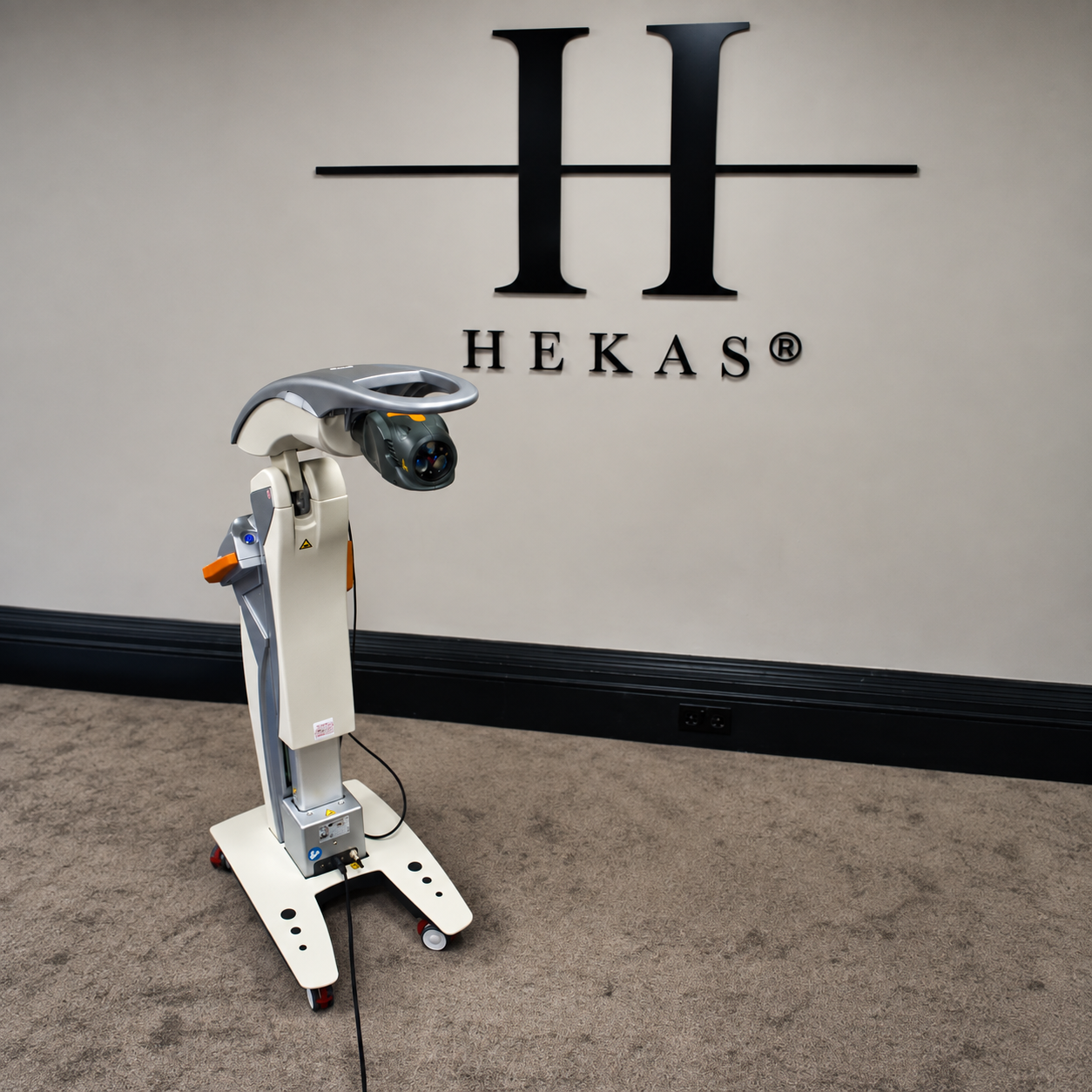
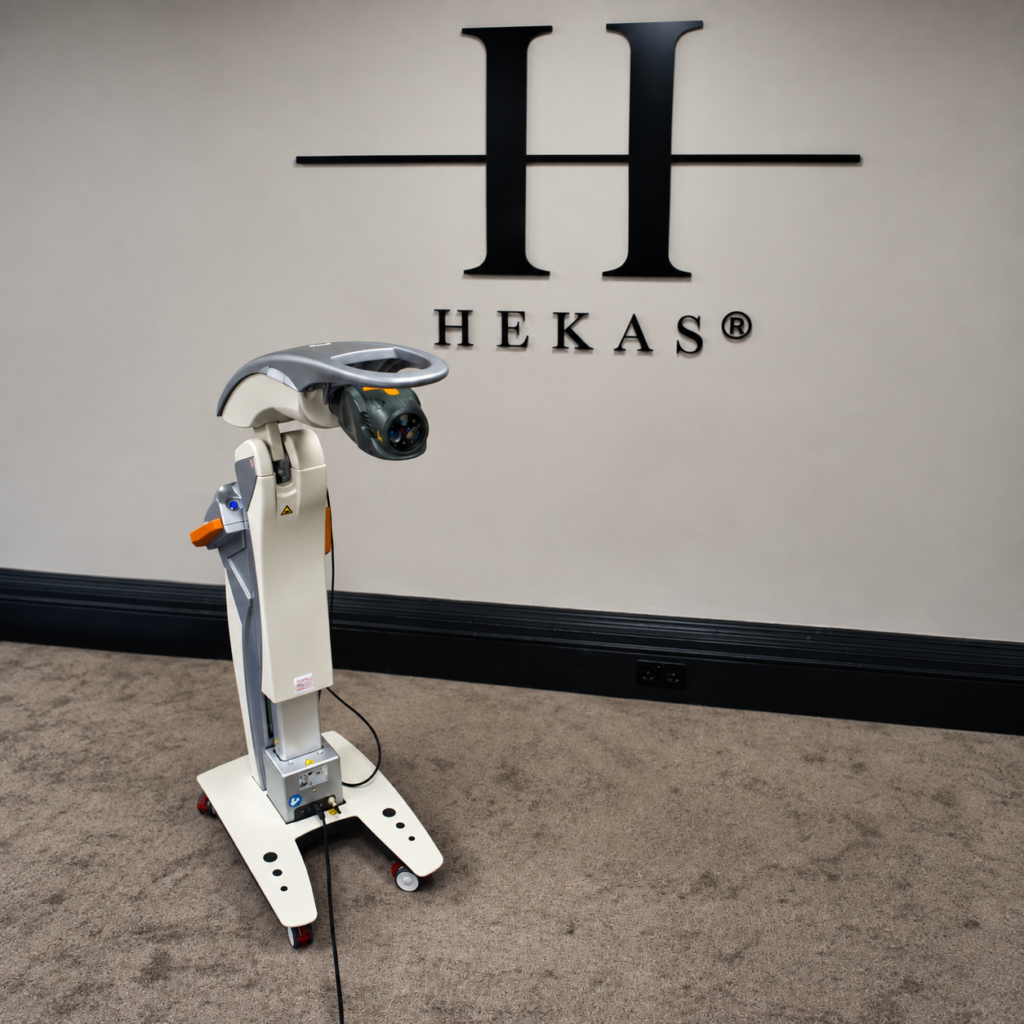
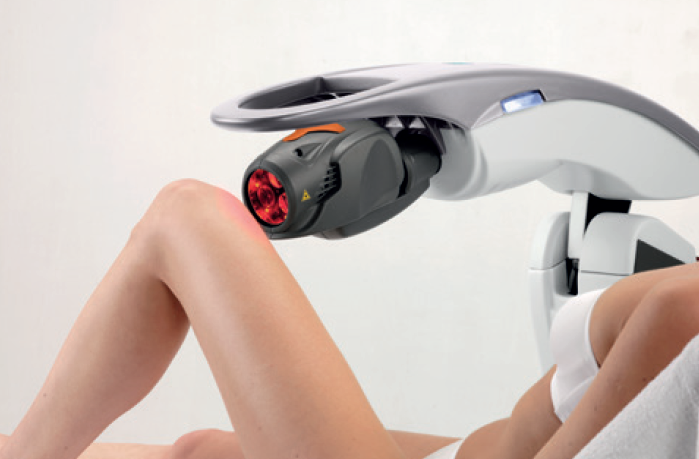
The ASA M8 is a robotic MLS laser from Italian brand ASA Laser, and only a handful of clinics in the UK offer it. Hekas is one of them. You can read more in our ASA M8 robotic laser guide or on the MLS laser therapy page.
MLS stands for Multiwave Locked System. The M8 delivers two wavelengths at once: 905nm, used mainly for pain relief and tissue repair, and 808nm, used mainly to help reduce inflammation and swelling. A robotic arm moves over larger areas without touching your skin, and a handheld probe can target specific points. Most areas take 3 to 10 minutes. Most people feel nothing or a mild warmth, and there are no marks and no recovery time.
Where sports massage comes in
Sports massage is firm, targeted hands-on work on muscles and soft tissue, used to ease tightness, support recovery and manage recurring niggles. See our page on intensive sports massage.
Laser is non-contact and aimed mainly at pain and swelling. Massage is hands-on and deals with tight muscles, trigger points and restricted movement. That is why the two complement each other rather than overlap.
Why combine laser therapy and sports massage?
- Laser can make a sore area easier to treat. Massage on a tender, swollen area can be uncomfortable. Laser calms pain and swelling without pressure, which can make hands-on work and exercises more comfortable.
- Massage deals with the tissue around the problem. Tight muscles and restricted movement usually need hands-on attention, which laser doesn’t provide.
- One plan, not one-off treatments. A therapist can address different parts of a problem together.
- Efficient visits. Laser takes only a few minutes, so adding it doesn’t have to make a visit much longer.
Who might benefit?
- People with a recurring niggle in a tendon, muscle or joint, such as plantar fasciitis
- Runners and gym-goers with tightness plus a sore or swollen area
- Office workers with persistent neck, shoulder or lower back pain
- People in sports injury rehabilitation where pain or swelling is limiting progress
What the combination isn’t
Laser and massage aren’t a guaranteed cure, and results vary from person to person. Most injuries also need sensible load management, strength work and a gradual return to activity. Both treatments support that process rather than replace it, and can sit alongside other hands-on care such as manual therapy and IASTM.
Who should check before laser treatment?
Tell your therapist if you are pregnant, have or have had cancer, take medication that makes your skin sensitive to light or have a pacemaker. We’ll check whether laser is right for you, and you wear safety glasses during treatment.
FAQs
Does laser therapy hurt?
No. Most people feel nothing or a light warmth, and the laser doesn’t touch the skin.
Can I have laser therapy and sports massage on the same day?
Often yes. Your therapist will advise on the best approach for your problem.
Do I need both?
Not always. It depends on whether you have pain or swelling as well as muscle tightness. Your assessment should decide.
How many sessions will I need?
That depends on the problem. Some people feel better after one or two sessions, while longer-standing problems usually need a short course.
Book an assessment
Not sure whether laser, massage or both is right for you? Book an assessment or see our membership options.
This article is for general information and does not replace advice from a doctor or other healthcare professional. If you have a new, severe or worsening injury, please seek medical advice.