
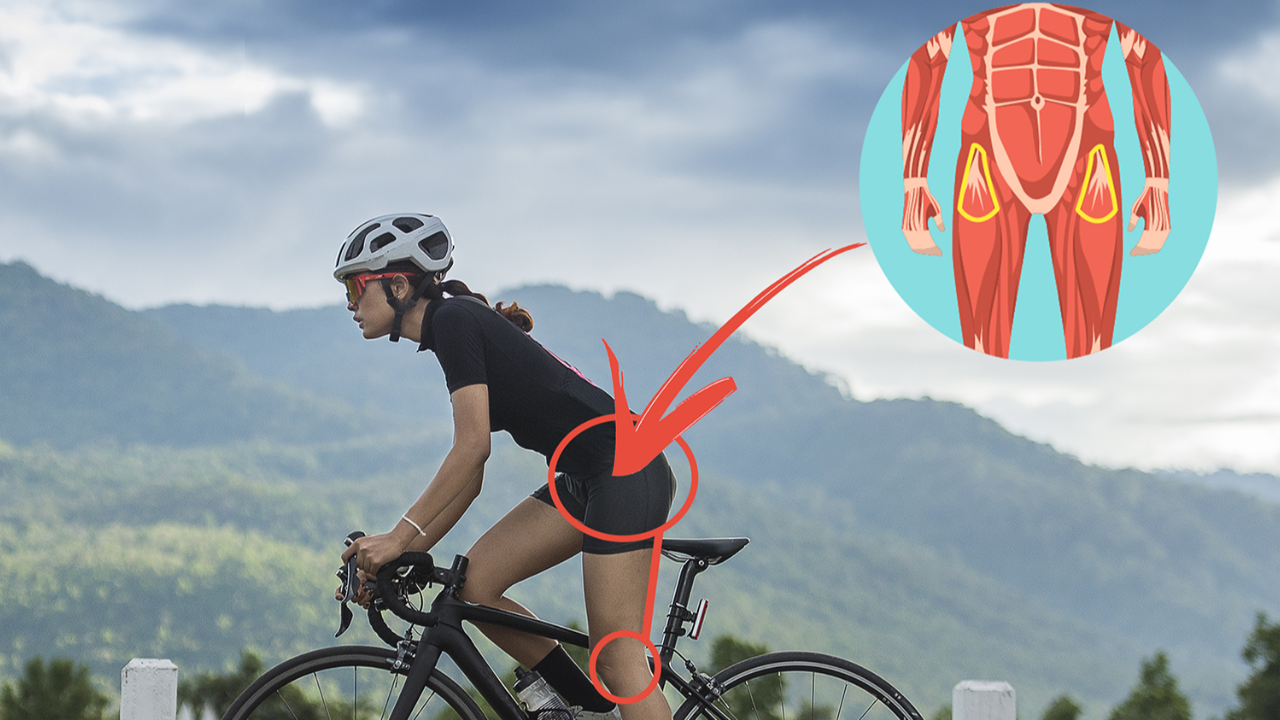
If you are an endurance rider looking to optimize your performance, integrating clinical sports massage in Manchester into your routine is essential. Cycling is one of the most effective ways to build endurance, cardiovascular fitness, and lower-body strength. However, many cyclists experience a frustrating plateau: despite riding more, their power output stops improving. Some even develop persistent hip stiffness, tight IT bands, and lower back pain that affect both performance and recovery.
The problem often isn’t a lack of fitness—it’s a lack of mobility.
Spending hours in a flexed riding position can gradually alter how your body moves. Over time, restricted hips, muscle imbalances, and compensatory movement patterns can reduce force production, making it harder to generate power efficiently on the bike.
In this article, we’ll explore how fixed hips, IT band tightness, and lower back pain are connected, why they limit cycling performance, and what you can do to address them.
The Cycling Position: Efficient for Speed, Challenging for Mobility
Cycling requires riders to maintain a forward-leaning posture for extended periods. While this position is aerodynamic and efficient, it places the body in a repetitive pattern:
- Hips remain flexed for long durations
- Hip flexor muscles stay shortened
- Glute muscles become less active
- Lumbar spine absorbs additional stress
- Lateral thigh structures, including the IT band, experience increased tension
Unlike sports that involve multidirectional movement, cycling is highly repetitive. Thousands of pedal strokes performed in the same range of motion can gradually reduce joint mobility if not balanced with proper recovery and movement training.
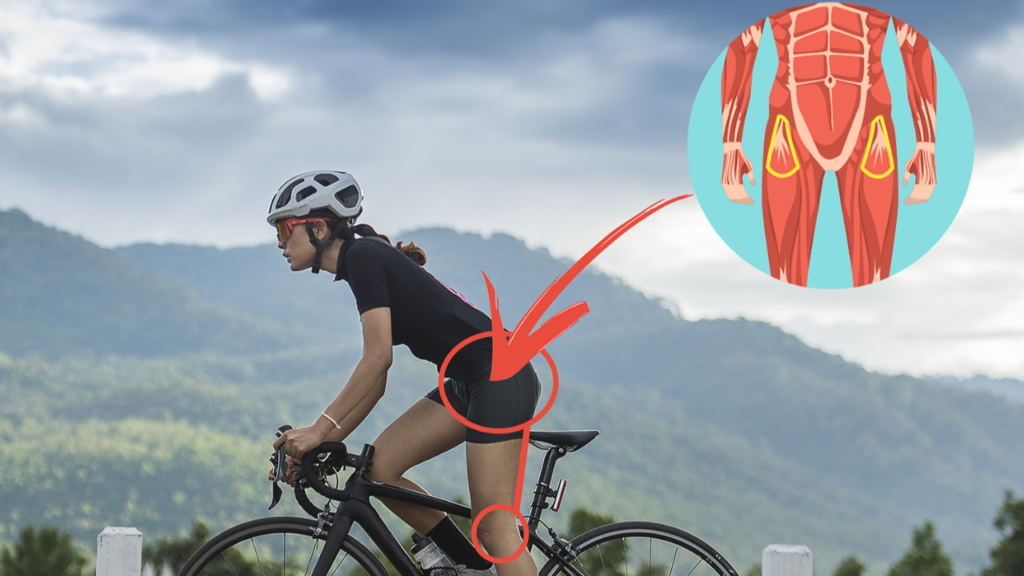
Fixed Hips: The Hidden Power Leak
The hips are the primary engine of cycling performance. Strong and mobile hips allow riders to generate force through the glutes, hamstrings, and core. However, when hip mobility becomes restricted, the body struggles to transfer power efficiently into each pedal stroke.
Signs of Fixed or Restricted Hips
- Difficulty standing upright after long rides
- Tightness at the front of the hips
- Reduced hip extension during walking or running
- Feeling that the legs work harder than the glutes
- Lower back fatigue during or after rides
How Hip Restrictions Reduce Power
To generate maximum power, cyclists need adequate hip extension during the downstroke. When the hips cannot move freely:
- Glute activation decreases
- Hamstrings become overworked
- Pedaling efficiency drops
- Energy expenditure increases
- Peak power output may decline
Many cyclists focus on increasing training volume without realizing that limited hip mobility is preventing them from accessing their full strength potential.
IT Band Tightness: A Symptom, Not the Root Cause
The iliotibial band (IT band) is a thick band of connective tissue that runs along the outside of the thigh from the hip to the knee. While cyclists often describe the IT band as “tight,” the issue is rarely the band itself. More commonly, surrounding muscles become dysfunctional, creating increased tension along the lateral chain.
Common Causes of IT Band Tightness in Cyclists
- Weak glute medius muscles
- Restricted hip mobility
- Poor pelvic stability
- Excessive training volume
- Improper bike fit
When the hips lose mobility, the body compensates by increasing tension through the lateral thigh and knee. This can lead to outer knee pain, hip discomfort, reduced pedal efficiency, and increased fatigue during longer rides. Foam rolling may temporarily reduce symptoms, but lasting improvement typically requires addressing hip mechanics and movement quality.
If the outer knee has moved from tight to painful, rehabilitation that corrects the mechanics goes further than mobility work: assessment first, then glute medius strength, then a graded return to volume.
Why Lower Back Pain Develops
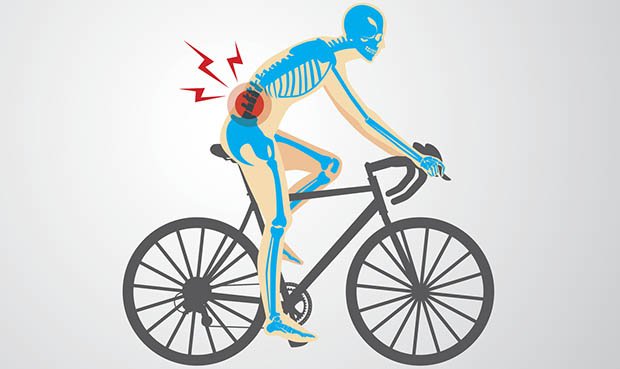
Lower back pain is one of the most common complaints among cyclists. When looking for relief through clinical sports massage in Manchester, many riders learn that the lumbar spine is simply compensating for a lack of hip mobility. Instead of moving through the hips, cyclists begin moving excessively through the lower back.
The Compensation Pattern
- Hip mobility decreases
- Pelvic movement becomes restricted
- Lower back works harder to create motion
- Muscles around the lumbar spine become overactive
- Pain, stiffness, and fatigue develop
This compensation pattern is especially common during long endurance rides, climbing efforts, high-power intervals, and aggressive aerodynamic positions. The result is a cycle where restricted hips lead to lower back stress, which further reduces movement efficiency and power production.
The Performance Connection: Why Mobility Matters
Many cyclists view mobility as a recovery tool, but mobility is also a performance tool. When joints move efficiently:
- Force transfers more effectively
- Muscles activate in the correct sequence
- Energy leaks are reduced
- Fatigue accumulates more slowly
- Power output improves
A rider with strong, mobile hips can often generate more sustainable power than someone who simply trains harder without addressing movement limitations.
How to Restore Power and Reduce Pain
1. Improve Hip Mobility
Focus on exercises that restore hip extension and rotation, including hip flexor stretches, 90/90 hip mobility drills, World’s Greatest Stretch, and dynamic lunges with rotation. The goal is functional movement that supports efficient cycling mechanics.
2. Strengthen the Glutes
Glute strength helps stabilize the pelvis and reduce strain on both the IT band and lower back. Effective exercises include glute bridges, hip thrusts, split squats, single-leg deadlifts, and lateral band walks. Strong glutes are essential for maximizing power transfer during each pedal stroke.
3. Improve Core Stability
A stable core allows force generated by the lower body to transfer efficiently through the torso. Recommended exercises include dead bugs, bird dogs, Pallof presses, and side planks. Core training should focus on stability rather than excessive spinal movement.
4. Prioritise Recovery
Mobility and strength gains occur during recovery, not just training. Recovery strategies may include soft tissue therapy, professional sports massage in Manchester, mobility sessions, adequate sleep, and proper hydration. Consistent recovery helps prevent chronic restrictions from developing.
Ready to Unlock More Power with Sports Massage in Manchester?
Don’t let restricted hips, IT band tightness, or lower back pain hold your performance back. Book an appointment for targeted sports massage in Manchester with the HEKAS team today, and discover how better soft tissue mobility can lead to explosive cycling power. Whether you’re training for your next sportive, triathlon, or simply looking to enjoy pain-free local rides, we can help you move more efficiently, recover faster, and perform at your absolute best.