Skip to content

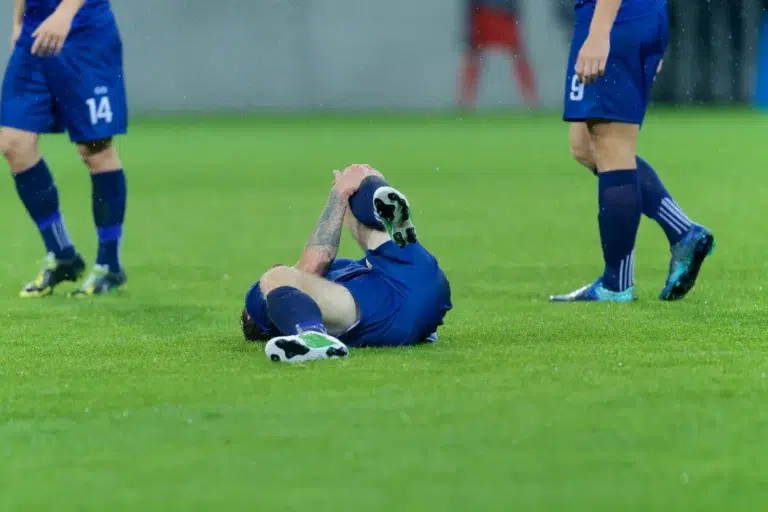
Knee injuries are common among active individuals, athletes, and people going about their everyday routines in Manchester. Whether the injury occurs during sports, exercise, or everyday movement, proper rehabilitation plays an important role in how well the knee heals and how confidently you can return to activity.
If you are looking for knee injury treatment in Manchester, understanding the common causes of knee injuries, the treatment process, expected recovery timelines, and where to find quality rehabilitation centres can help you make informed decisions and approach recovery with realistic expectations.
What are the Common Causes of Knee Injuries?
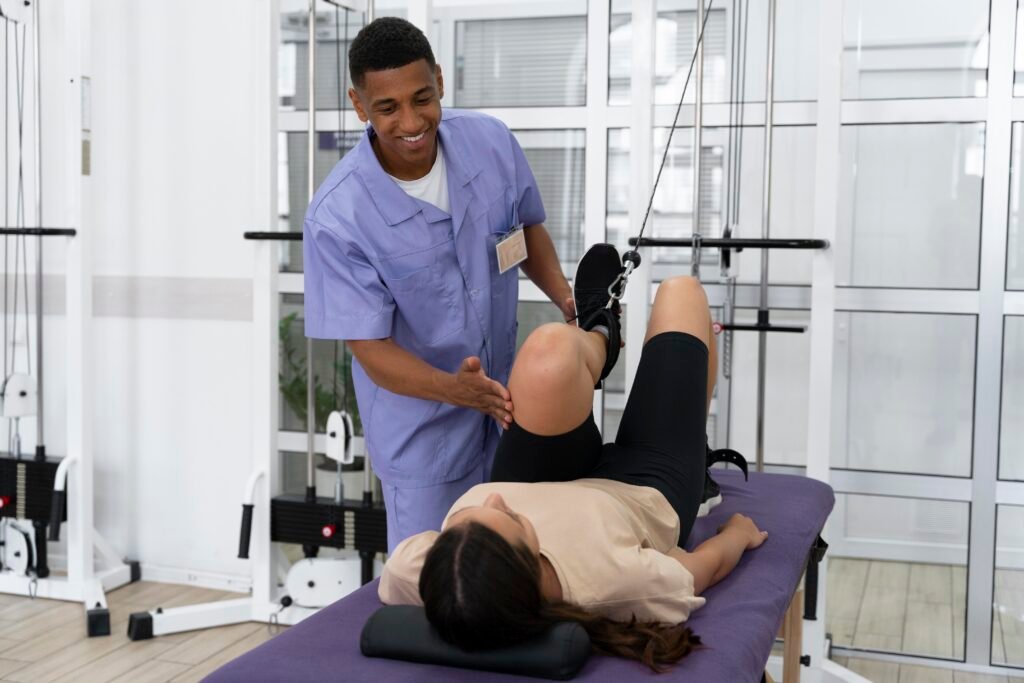
Knee injuries can occur in several ways, but they are most often linked to sudden movements, repetitive strain, or direct impact. Activities that involve running, jumping, stopping suddenly, or changing direction put extra strain on the knee joint. Over time, this stress can lead to pain, weakness, or injury if the body is not properly conditioned or supported.
Here are the different categories of knee injuries you need to know:
Sport-Specific Knee Injury
- Football and Rugby
Contact sports such as football and rugby carry a higher risk of knee injuries. The twisting, cutting, and physical contact involved in these sports place heavy demands on the knee’s structures. ACL tears, meniscus injuries, and MCL sprains are commonly seen in players ranging from Sunday league footballers to semi-professional athletes.
- Running
Training for Parkrun events or longer-distance races means you frequently experience knee injuries. Conditions such as runner’s knee, IT band syndrome, and patellar tendinitis often develop gradually, especially when training volume increases too quickly or recovery is limited.
- Gym Training
With gyms widely available across Manchester, many people engage in strength training and high-intensity workouts. Poor technique during squats or lunges, lifting excessive weight, or skipping warm-ups can all contribute to knee strain. Over time, this may result in tendon irritation, meniscus issues, or ongoing knee discomfort that benefits from structured rehabilitation.
- Cycling
Knee pain related to bike setup, overtraining, or muscle imbalances has become more common in Manchester. Cyclists often experience patellofemoral pain or IT band problems, particularly when training intensity increases without adequate conditioning.
Non-Sport-Related Knee Injury Causes
- Workplace and Daily Activity
Not all knee injuries are sports-related. Jobs that involve prolonged standing, kneeling, lifting, or stair climbing place repeated stress on the knee joint. Manchester workers in healthcare, construction, retail, and other physically demanding roles often develop knee pain that responds well to rehabilitation.
- Biomechanical Factors
Poor movement patterns, muscle imbalances, and previous injuries can increase knee injury risk regardless of activity level. Weak hip muscles, limited ankle mobility, or foot posture issues can also alter how forces pass through the knee.
- Age-Related Changes
While knee injuries affect people of all ages, degenerative changes become more common with age. Manchester residents in their forties and beyond may experience stiffness, joint irritation, or early arthritis, which often requires a more tailored rehabilitation approach rather than short-term treatment alone.
Types of Knee Injuries Commonly Treated in Manchester Rehabilitation Clinics
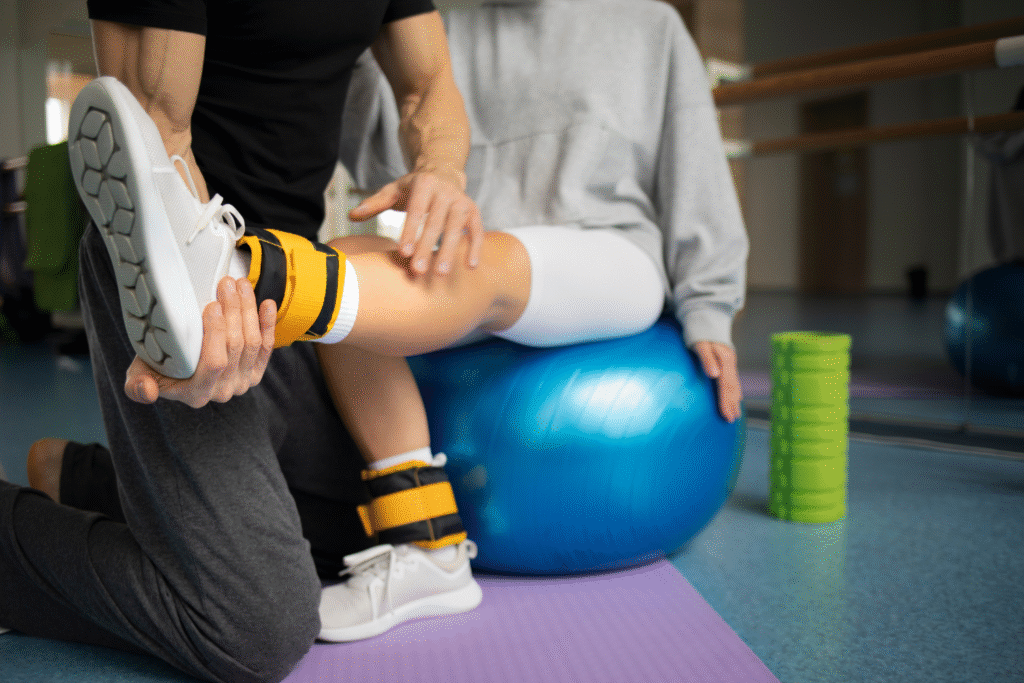
Sports rehabilitation centres in Manchester treat a wide range of knee injuries. Each condition requires a personalised approach based on the structures involved and the individual’s activity goals.
A) Ligament Injuries
Anterior Cruciate Ligament (ACL) Injuries
ACL injuries are among the more serious knee problems and often occur during sudden stops, jumps, or changes of direction. Manchester clinics regularly see ACL injuries related to football, basketball, skiing, and similar activities. While some ACL injuries require surgery, many partial tears and cases involving less active individuals respond well to structured, conservative rehabilitation.
Medial Collateral Ligament (MCL) Strains
The MCL runs along the inside of the knee and is commonly injured during contact sports or awkward twisting movements. Most MCL injuries heal successfully with appropriate rehabilitation and do not require surgery.
Posterior Cruciate Ligament (PCL) Injuries
PCL injuries are less common and typically result from direct impact to the front of the knee. Rehabilitation focuses on restoring knee strength and stability while allowing the ligament to heal.
B) Meniscus Problems
The meniscus acts as a shock absorber within the knee joint. Tears may occur suddenly or develop gradually through wear and tear. Many meniscus injuries, particularly degenerative tears, respond well to physiotherapy-based rehabilitation without surgery. Manchester rehabilitation clinics frequently manage these injuries using targeted exercise and manual therapy.
C) Tendon Issues
Patellar Tendinitis (Jumper’s Knee)
This overuse injury affects the tendon connecting the kneecap to the shin bone and is common in sports involving jumping. Rehabilitation focuses on gradually strengthening the tendon and improving load tolerance.
Quadriceps Tendinitis
Affecting the tendon above the kneecap, this condition can develop due to training errors or biomechanical issues. Runners and cyclists in Manchester sometimes experience this type of knee pain during periods of increased training.
D) Patellofemoral Pain Syndrome (Runner’s Knee)
One of the most common knee conditions seen in Manchester sports rehabilitation clinics, runner’s knee causes pain around or behind the kneecap. Despite the name, it affects a wide range of people, including gym-goers, cyclists, and those with sedentary jobs. The condition is often linked to muscle imbalances and inefficient movement patterns.
E) Iliotibial Band Syndrome
IT band syndrome causes pain on the outside of the knee and is particularly common among runners who increase their mileage too quickly. Rehabilitation typically focuses on hip strength, flexibility, and managing training load more effectively.
F) Osteoarthritis
Knee osteoarthritis affects many Manchester residents, particularly those over the age of 50 or with previous knee injuries. While arthritis cannot be reversed, rehabilitation can significantly reduce pain, improve function, and help people remain active.
How Knee Injury Treatment in Manchester Usually Begins
Knee injury treatment typically starts with a detailed assessment at a sports rehabilitation clinic. This allows specialists to understand how the injury occurred, what movements cause pain, and how the knee functions during everyday activities.
High-quality Manchester clinics usually spend 45 to 60 minutes on an initial knee assessment. This includes a detailed injury history, movement analysis, strength and flexibility testing, and specific clinical tests to identify the structures involved.
Rather than focusing only on the knee, therapists also assess the hips, ankles, and feet to understand how the entire lower body contributes to knee function.
Recovery Time for Knee Injuries: What Manchester Patients Can Expect
Recovery time varies depending on injury type, severity, and rehabilitation consistency. Patients must have a realistic timeline so they can plan their return to work, sport, and daily activities.
Mild to Moderate Knee Injuries (2–6 Weeks)
Minor MCL sprains and early-stage runner’s knee often improve within a few weeks when treated early and consistently.
Moderate Knee Injuries (6–12 Weeks)
Meniscus injuries treated conservatively, IT band syndrome, and more established patellofemoral pain typically require several months of structured rehabilitation.
Significant Knee Injuries (3–6+ Months)
ACL injuries, post-surgical rehabilitation, and long-standing knee pain often require several months of guided rehabilitation to fully restore strength and confidence.
How to Find Quality Knee Injury Treatment Across Manchester
Manchester offers many options for knee injury rehabilitation, from city centre clinics to suburban facilities. Understanding what quality care entails helps you choose the right provider.
Specialized Knee Experience: Clinics regularly treating knee injuries understand the nuances of different conditions and how to progress rehabilitation appropriately. Always ask about the therapists’ experience with your specific injury type.
Comprehensive Assessment: Quality Manchester physiotherapy clinics spend adequate time on initial evaluation rather than rushing to treatment. A thorough assessment identifies all factors contributing to knee problems.
Evidence-Based Practice: Look for clinics using treatment approaches supported by research rather than outdated methods. Modern knee rehabilitation emphasizes progressive exercise over passive treatments.
Clear Communication: Therapists should explain your injury, treatment plan, and expected timeline in language you understand. Good Manchester sports therapy clinics involve you as an active participant in recovery.
Outcome Tracking: Clinics that objectively measure progress through strength testing, movement assessment, or validated outcome measures demonstrate accountability for results.
When to Seek Knee Injury Treatment in Manchester
Many people delay seeking professional help for knee pain, hoping it will resolve on its own. While some knee discomfort settles with rest, ongoing pain, swelling, instability, or difficulty with daily activities are signs that you need to book a professional assessment at a Manchester sports therapy clinic promptly.
- You experience severe pain and swelling after injury
- You are unable to bear weight on the affected leg
- Your knee gives way or feels unstable
- You have a visible deformity or unusual appearance
- You have a locked knee that won’t fully straighten or bend
- You experience pain that persists beyond 7-10 days despite rest
- You have recurring knee problems during specific activities
- You have difficulty with stairs, squatting, or performing daily activities
- You have a previous injury that never fully recovered
Hekas Can Support Your Knee Injury Recovery in Manchester
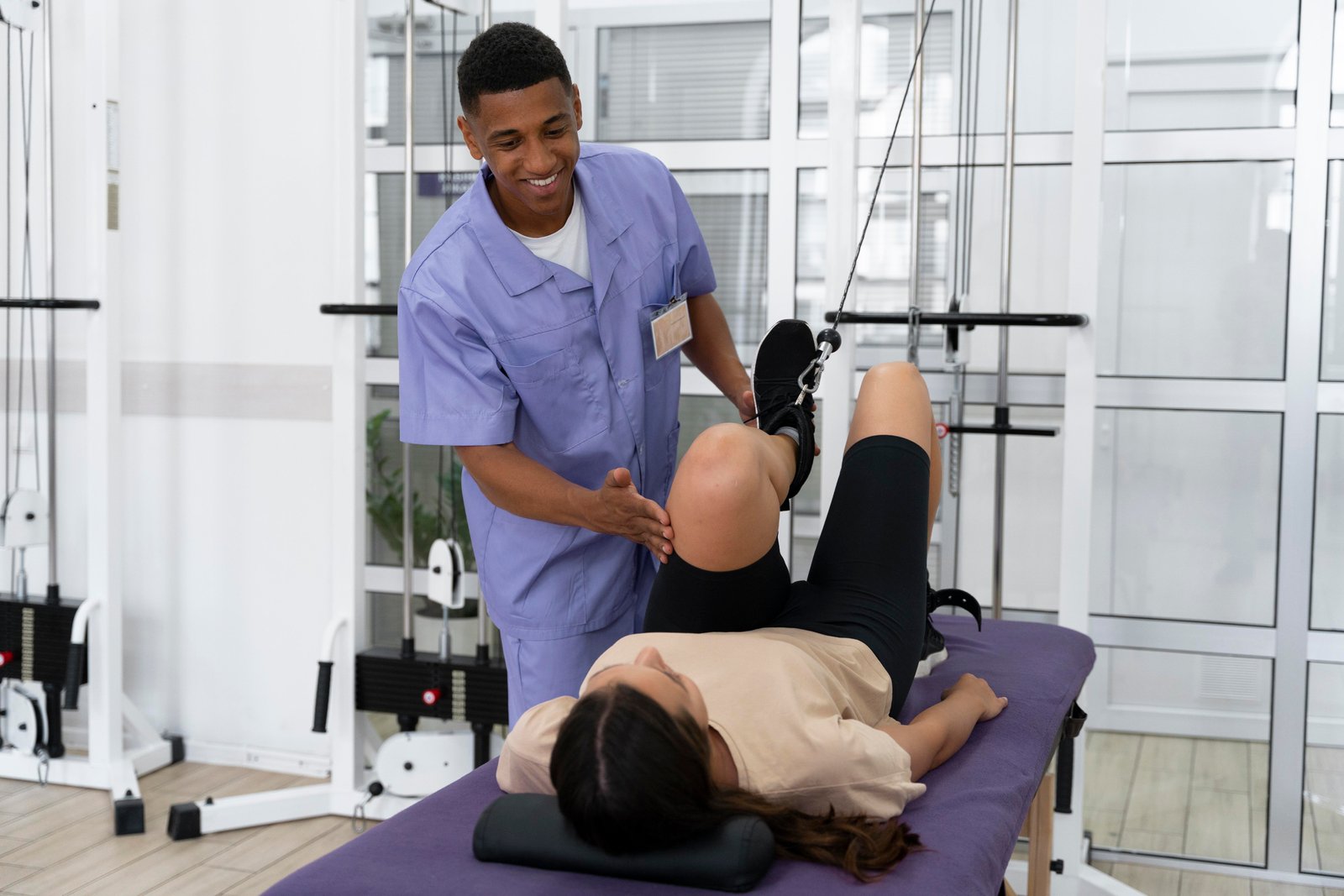
Knee injuries can be frustrating and disruptive, but with the right rehabilitation approach, recovery is achievable. For those seeking knee injury treatment in Manchester, working with a professional sports rehabilitation centre provides the guidance and structure needed for safe, long-term recovery.
Whether your goal is returning to football, resuming regular running, or moving comfortably through everyday life, early assessment and personalised rehabilitation can help you rebuild strength and confidence.
At Hekas, we specialize in knee injury rehabilitation for active individuals and athletes who want comprehensive, evidence-based treatment. Our approach combines detailed assessment, hands-on therapy, progressive exercise prescription, and sport-specific training that prepares you not just to recover but to return stronger.
If knee pain or injury is affecting your ability to stay active, our rehabilitation treatments can help you regain strength and confidence in your movement. Schedule an assessment today to discuss how we can help you overcome your knee injury and return to the activities that matter most to you.