
As a sports therapist with years of experience helping athletes bounce back from injuries, we were concerned reading that England winger Immanuel Feyi‑Waboso suffered a hamstring injury during training. Sky Sports reported on 8 February 2026 that he has been ruled out of England’s pivotal Six Nations clash with Scotland. Coach Steve Borthwick explained that Feyi‑Waboso’s injury will sideline him for “a number of weeks”, and he has been left out of England’s updated 36‑man squad to begin rehabilitation at Exeter. Losing such a dynamic attacking threat means England must rely on other wings like Henry Arundell, Tom Roebuck, Tommy Freeman and Elliot Daly.
When we encounter cases like this, I draw on both evidence‑based research and my personal experience in rehabilitation to guide the recovery process. In this blog we’ll explain what happens during a hamstring injury, outline effective rehabilitation strategies, and highlight how Hekas can support athletes on their journey back to full performance.
What Happens When You Strain a Hamstring like Immanuel Feyi‑Waboso?
We’ve treated dozens of hamstring strains, and the underlying mechanism is always the same: when the hamstring muscles at the back of your thigh are stretched beyond their capacity during sprinting, sudden stopping or awkward movements, the muscle fibres tear. Clinicians classify these tears into three grades:
- Grade 1 (mild) – small tears with minor pain; athletes may recover in less than a week.
- Grade 2 (moderate) – partial tears that cause more pain and weakness; recovery can take 2 – 6 weeks.
- Grade 3 (severe) – complete tears often accompanied by a “pop”; surgery may be required, and recovery may take several months.
Typical symptoms include pain at the back of the thigh, swelling, bruising and sometimes a noticeable knot in the muscle. In severe cases, I’ve seen athletes struggle to stand or walk, and scar tissue can irritate the sciatic nerve, causing radiating pain.
Our Advice on Immediate Care: PRICE Protocol
Whenever a hamstring strain occurs, we advise athletes (or their support teams) to follow the PRICE protocol during the first 2 – 3 days. This involves:
- Protection – shield the injured leg from further damage.
- Rest – stop exercising and avoid putting weight on the leg.
- Ice – apply ice for up to 20 minutes every 2–3 hours.
- Compression – wrap the leg with an elastic bandage to limit swelling.
- Elevation – raise the leg to reduce swelling.
From our experience, athletes sometimes use heat or massage too early. The NHS cautions against heat, massage or alcohol in the first few days because they increase swelling. If pain or swelling is severe, I encourage them to seek urgent medical advice.
Rehabilitation and Return‑to‑Sport: A Personal Approach
After the acute phase, the focus for a player like Immanuel Feyi‑Waboso shifts to progressive rehabilitation. we rely on guidelines from organisations like the Institute of Sport, Exercise & Health (ISEH), which notes that low‑grade hamstring injuries often heal within 1–2 weeks, larger muscle injuries in 2–6 weeks and tendon-type injuries in 6–12 weeks. At Hekas clinic, a typical rehab programme includes the following:
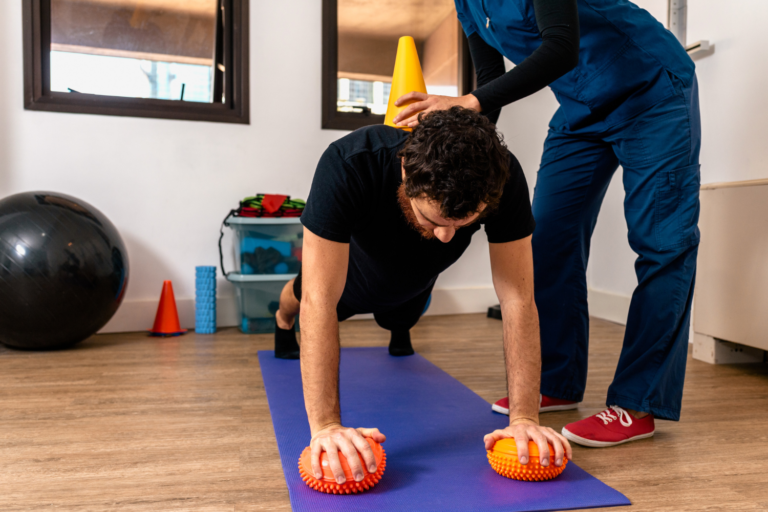
- Physiotherapy‑guided exercises to restore strength and flexibility. I design milestone‑based plans to protect the healing tissue and prevent stiffness.
- Progressive loading – gradually increasing running and strength work, which is especially important for tendon-type injuries. Rushing back to sprinting too soon is one of the most common causes of re‑injury.
- Ongoing prevention exercises – we’ve learnt that hamstring strains have high recurrence rates, so continued strength and flexibility work is crucial.
- Medical evaluation when necessary – severe tears may require imaging or surgical consultation. we always refer athletes when recovery is slower than expected or symptoms worsen.
Long‑Term Prevention: Lessons I Share With Clients
To minimise future hamstring injuries, we advise athletes to:
- Warm up thoroughly before high‑intensity exercise and cool down afterwards.
- Increase training load gradually and pay attention to any feeling of tightness or pain.
- Maintain good core and hip strength and address biomechanical factors like flexibility and foot posture. In my experience, underlying imbalances often contribute to hamstring strains.
- Avoid overtraining when fatigued.
How We at Hekas Can Help
At Hekas, we are a team of registered physiotherapists and sports therapists who provide tailored sports injury rehabilitation. Our clinic combines clinical expertise with a deep understanding of sports injuries to deliver personalised sports massage and rehab programmes. Here’s what the process looks like from our perspective:
- Booking online – clients select their service and preferred slot through our secure booking system.
- One‑to‑one assessment and treatment – during the initial session, we assess the injury, identify contributing factors and provide hands‑on therapy.
- Personalised rehabilitation plan – we create a programme that includes progressive loading, strength training and flexibility work and provide ongoing support.
Our clinic draws on 16 years of worldwide experience and employs eight registered physiotherapists. We offer treatments such as manual therapy, intensive sports massage, IASTM, dry cupping and custom orthotics. We’ve found that combining these techniques with evidence‑based rehabilitation protocols accelerates recovery and reduces recurrence.
Applying This to Feyi‑Waboso’s Recovery
Based on Borthwick’s comment that Immanuel Feyi‑Waboso will be out for “a number of weeks”, we’d expect his recovery to follow the 2–6 week timeframe typical of moderate hamstring injuries or possibly 6–12 weeks if there is tendon involvement. A successful programme should include initial PRICE care, followed by early physiotherapy, progressive loading and biomechanical assessment. At Hekas, we routinely design multi‑phase plans like this, tailoring each stage to the athlete’s sport and injury severity. Our experience with rugby players tells me that attention to speed mechanics and hip strength is especially important for wingers like Feyi‑Waboso.
Final Thoughts
Injuries like Immanuel Feyi‑Waboso’s remind me how demanding rugby can be. While fans naturally hope for his swift return, the science is clear: patient, progressive rehabilitation is essential to prevent re‑injury. At Hekas, we see firsthand how evidence‑based protocols, skilled therapists and personalised care help athletes not just recover but also come back stronger and more resilient. By following trusted advice from the NHS, ISEH and the Cleveland Clinic, and engaging with experienced rehab professionals, we can give athletes like Feyi‑Waboso the best chance of returning to the field at 100 per cent.