Skip to content

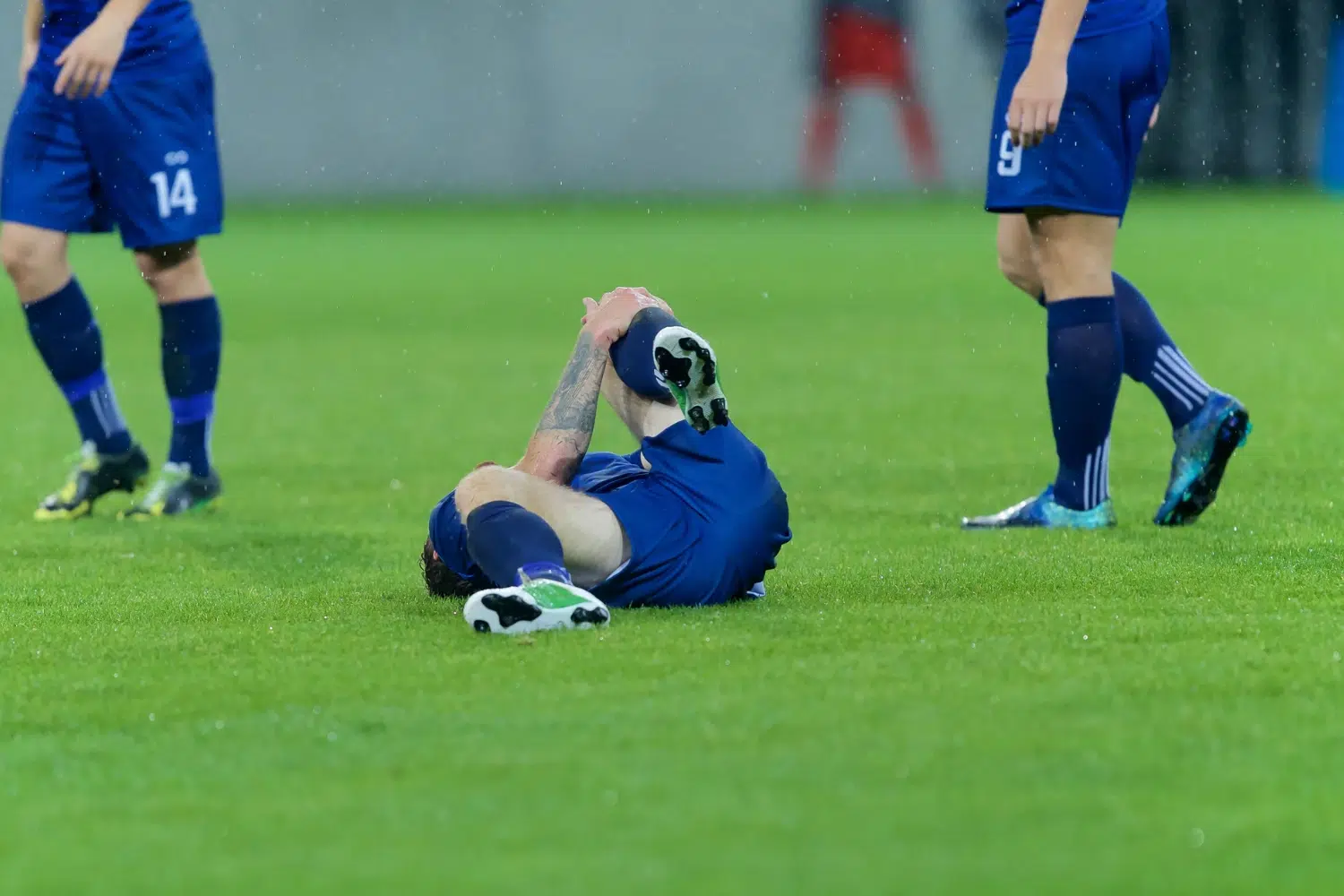
In modern football, talent alone isn’t enough. Availability is just as important, and recurring injuries can quickly disrupt even the most promising seasons.
Recently, Cole Palmer, one of Chelsea FC’s standout performers, has picked up another injury. While the club will manage his care internally, situations like this raise an important question:
Why do repeat injuries happen, and what does an ideal recovery plan actually look like?
At HEKAS, we work daily with athletes dealing with recurring pain, setbacks, and rushed returns. While we don’t treat elite players directly, the principles of injury recovery remain the same at every level.
The Physical Demands on Modern Footballers
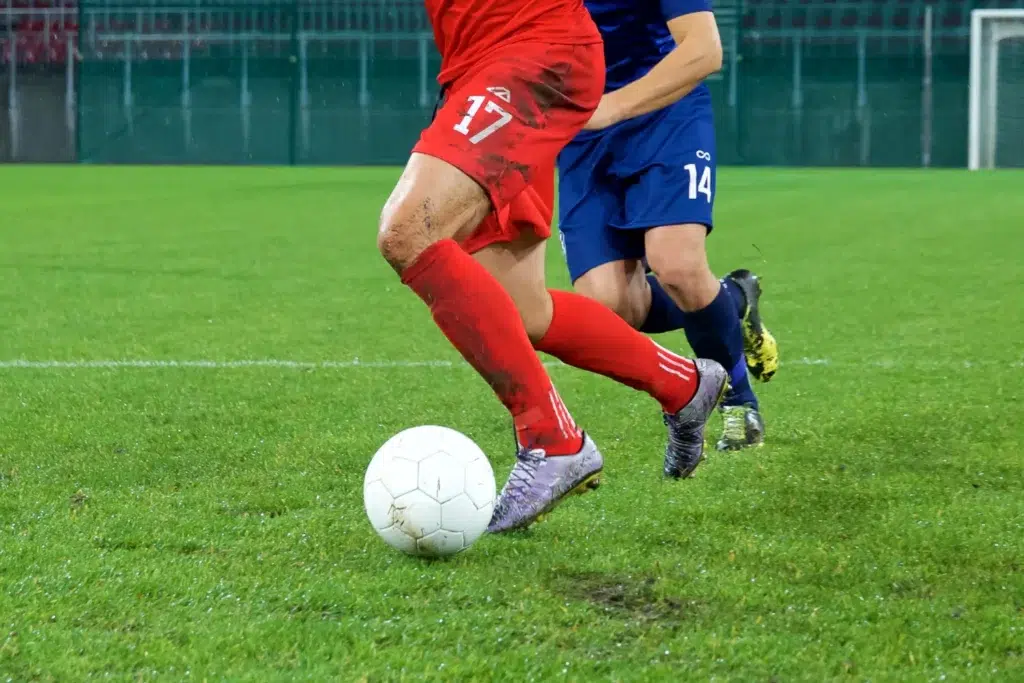
Players like Cole Palmer operate under extreme physical stress:
- High-speed sprinting and deceleration
- Rapid changes of direction
- Repetitive kicking and twisting movements
- Minimal recovery time between matches
These demands place significant strain on the muscle-tendon system, particularly the hips, hamstrings, calves, ankles and lower back.
When recovery doesn’t match workload, the body compensates, and that’s often when secondary or repeat injuries occur.
Why Repeat Injuries Are So Common in Football
From a sports therapy perspective, recurring injuries like cole palmer injury are rarely about bad luck. They’re usually the result of:
1. Load Exceeding Tissue Capacity
When training or match intensity increases faster than the body adapts, tissues become vulnerable.
2. Incomplete Rehabilitation
Pain may disappear before strength, control, and resilience fully return.
3. Compensatory Movement Patterns
Athletes subconsciously offload injured areas, overworking others.
4. Return-to-Play Pressure
Elite football rarely allows full recovery windows, and amateur athletes often mirror this mistake.
What an Ideal Injury Recovery Plan Looks Like
While we don’t know the exact nature of cole Palmer injury, best-practice recovery frameworks typically follow these phases:
Phase 1: Acute Management
- Reduce excessive inflammation
- Protect injured tissue
- Maintain safe movement elsewhere
This is where doing less is often smarter than pushing through.
Phase 2: Manual Therapy & Tissue Quality
Hands-on work plays a key role:
- Sports massage to reduce tone and restriction
- Manual therapy to restore joint movement
- Soft tissue techniques to improve circulation and healing
Pain relief alone isn’t the goal; quality movement is.
Phase 3: Progressive Loading & Rehab
This is where many athletes fall short.
Recovery must include:
- Gradual reloading of the injured area
- Strength through full range
- Controlled sport-specific movements
Skipping this phase dramatically increases reinjury risk.
Phase 4: Return-to-Play Preparation
Before full return:
- Sprinting, cutting and deceleration must be reintroduced
- Fatigue resistance should be tested
- Ongoing maintenance work should continue
Recovery doesn’t end when someone “feels fine”.
What Everyday Athletes Can Learn from Elite Football Injuries
You don’t need to play in the Premier League to suffer from the same mistakes.
At HEKAS, we see:
- Runners returning too soon after calf strains
- Gym-goers ignoring hip or lower-back warning signs
- Footballers playing through tightness until it becomes a tear
The lesson is simple:
Injuries don’t need more toughness, but they need better recovery plans.
How HEKAS Supports Smarter Injury Recovery
Our approach focuses on:
- Identifying why the injury occurred
- Improving tissue health and movement quality
- Building resilience, not just reducing pain
- Helping clients return stronger, not just faster
Whether you’re an athlete, gym-goer, or simply dealing with recurring pain, the same recovery principles apply.
Book a Recovery Session
If you’re struggling with ongoing pain or repeated injuries, our therapists can help you reset, rebuild, and move better long-term.
Medical Disclaimer:
This article is for educational and informational purposes only. It does not constitute medical advice, diagnosis, or treatment. Any discussion of injuries or recovery is based on general sports therapy principles and publicly available information. Individual injuries and recovery timelines vary. Always consult a qualified healthcare professional for personalised assessment and treatment.