

Are you training for the historic DEKA Manchester event? The UK fitness community is buzzing, and for a good reason. The arrival of the first-ever DEKA FIT Ultra in Manchester is pushing hybrid athletes to their absolute limits The arrival of the first-ever DEKA FIT Ultra in Manchester is pushing hybrid athletes to their absolute limits. Combining 10 functional fitness zones with extended, grueling running intervals, this “Ultra” format is a magnificent beast.
Unlike the standard format, the DEKA FIT Ultra requires athletes to complete 5 full circuits—meaning a relentless total of 50 fitness zones and 25k of running.
But with elite-level endurance comes an elite-level risk of injury.
As sports therapists, we know that success isn’t just built on the race floor at Manchester Central; it’s built during the grueling weeks of preparation leading up to it. At Hekas, our mission is to ensure your body can withstand the training volume so you can cross that finish line in one piece. Whether you are targeting a podium finish or just aiming to survive the brutal distance, here is your ultimate injury prevention guide from a clinical sports therapy perspective.

Understanding the DEKA FIT Ultra Demand: Why Injuries Happen
The standard DEKA FIT Challenge is already a demanding test of 10 functional zones paired with 5km of total running. However, multiplying that volume by five for the Ultra race drastically increases systemic fatigue. When your body fatigues, your biomechanics break down.
A lapse in form during Zone 4 (Med Ball Sit-up Throws) or Zone 9 (Sled Push/Pull) after 20 kilometers of running is where acute tears, strains, and joint overloads happen. The most common risk zones include:
- The Lower Back (Lumbar Spine): From repetitive hinging and heavy lifting under fatigue during the Sled Push and Dead Ball Wall Overs.
- Knees and Patellar Tendons: From the constant transition between heavy running intervals and repetitive RAM Alternating Reverse Lunges.
- Shoulder Girdle: Overuse from maximum power output on the SkiErg, RowErg, and heavy Farmer’s Carries.
3 Pillar Injury Prevention Strategy for Manchester
To survive the Manchester DEKA FIT weekend, your training needs to evolve beyond just “working harder.” You need to prep your body to withstand specific hybrid sports forces for DEKA Manchester.
1. Biomechanical Resilience: Prioritize Eccentric Strength
Most injuries occur not when you are producing force, but when you are trying to absorb it.
- The Fix: Incorporate eccentric-focused lifts (e.g., 4-second lowered squats and Romanian Deadlifts) into your weekly routine. This builds tendon resilience, particularly in your patellar and Achilles tendons, shielding them from the relentless hybrid volume.
2. Fuel the Engine: Zone-Specific Mobility
If your ankles or hips are locked up, your lower back will compensate during those heavy sled pushes and ram lunges.
- Ankle Dorsiflexion: Crucial for efficient running mechanics and deep squatting in the functional zones.
- Thoracic Extension: Essential for maintaining a powerful, open posture on the RowErg and SkiErg without dumping stress into your lower lumbar.
3. Proactive Recovery: The “Pre-Hab” Blueprint
Don’t wait until you feel a pop or a tweak to seek help. True hybrid athletes treat recovery with the same respect as intensity.
Load Management: Monitor your acute-to-chronic workload. Sudden spikes in running mileage plus DEKA zone practice are a recipe for shin splints and stress fractures.
Sports Massage & Myofascial Release: Helps manage tissue density and removes chronic tension built up from high-volume training blocks.
Look After Your Body with Hekas
The upcoming Manchester DEKA FIT Ultra is a fantastic motivator to push your physical limits. However, if you attempt to rapidly increase your running mileage or step count during your training blocks and notice sharp knee pain, a burning sensation under your heel (potential plantar fasciitis), or an aching lower back after heavy sled and lunging zones, your body might be giving you a warning sign.
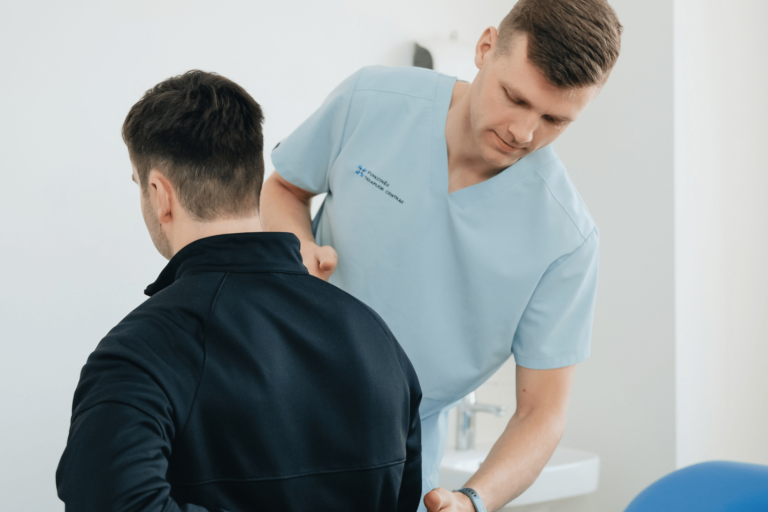
Forcing yourself to push through acute pain with compromised biomechanics or existing muscle imbalances under extreme fatigue will do more harm than good. Hekas Sports Therapy specialises in clinical rehabilitation, deep tissue sports massage, and postural assessments in Manchester, ensuring you can step into your intense DEKA training routine safely and optimally.
Click here to book your session with Hekas today and experience the difference that expert-level sports therapy can make for your hybrid race performance. Alternatively, if you would like to consult with our sports therapist about your specific training symptoms first, simply send our team a direct message on WhatsApp today!