
Back Pain From Commuting: The Shocking Foot Link You Missed
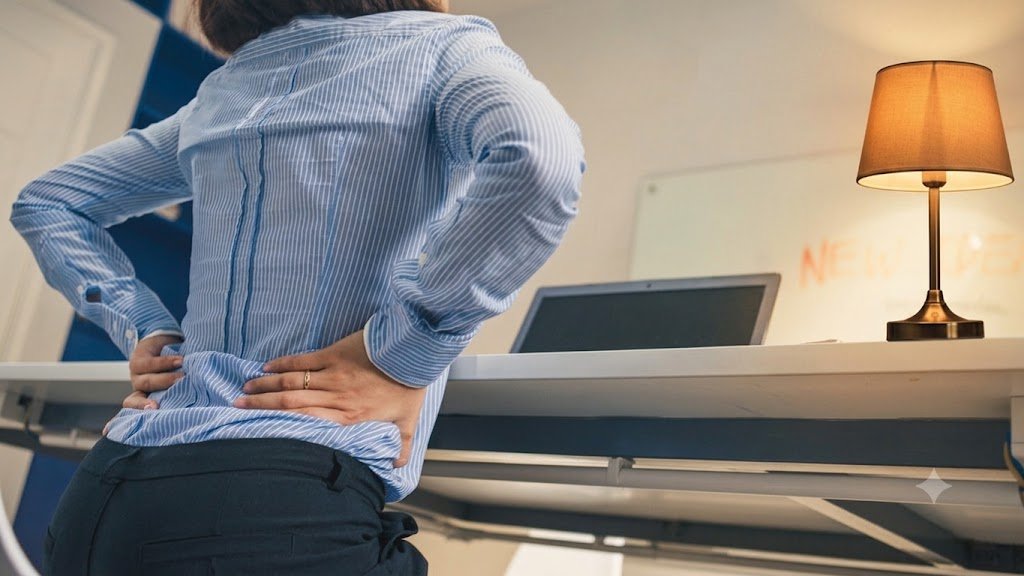
Back pain from commuting is a daily reality for thousands of office workers, yet the true source of this discomfort is frequently misunderstood. You might blame your office chair, your heavy shoulder bag, or the way you sit on the train. While those factors certainly play a role, the underlying culprit behind your recurring spinal issues often starts much lower down—specifically, right under your feet.
When you spend hours every week navigating busy transit networks, standing on hard platforms, and walking across unforgiving concrete streets, your feet bear the brunt of the physical impact. If your feet are not properly supporting your weight, your spine has to compensate.
The Anatomy of the Kinetic Chain
To understand how your feet impact your lumbar health, it helps to understand a medical concept known as the kinetic chain. Your body does not move in isolated segments; instead, it operates as an interconnected engineering system where every joint affects the next. Your feet serve as the absolute foundation of this entire chain.
When you walk or stand, your feet are responsible for absorbing shock and distributing your body mass evenly across the ground. If you experience abnormal foot pressure distribution, it sets off a negative chain reaction throughout your entire skeletal system:
- Arch Collapse: Your arches flatten excessively under prolonged stress, causing your ankles to roll inward.
- Knee Rotation: This inward ankle roll forces your lower leg bones and knees to rotate inward as well.
- Pelvic Tilting: The rotation travels up to your thighs, forcing your pelvis to tilt forward or drop unevenly to one side.
- Spinal Compensations: To keep your upper body upright and balanced, your lower back muscles must contract excessively, leading to chronic tightness, inflammation, and fatigue.
Why Concrete and Commuting Overload Your Spine
Daily travel presents unique physical challenges that differ significantly from casual walking or standard gym exercise. Here are three reasons why your routine commute actively contributes to ongoing spinal stress:
1. Rigid, Unyielding Surfaces
Natural ground like grass or soil deforms under your feet, which naturally absorbs shock. Modern train stations, subway platforms, and city sidewalks are made of rigid concrete and stone. Every step you take on these surfaces sends a harsh shock wave straight up your legs and directly into your lower back.
2. Static Standing on Unstable Transit
Standing on a moving train or bus requires constant micro-adjustments to remain balanced. If you consistently shift your weight onto one leg while holding a handrail, you create an asymmetrical load on your pelvis. Over time, this concentrated strain inflates your lower lumbar joints.
3. Unsupportive Professional Footwear
Many commuters wear flat dress shoes, stiff leather loafers, or thin-soled footwear that prioritizes professional aesthetics over biological function. These shoes lack the structural arch support and shock-absorbing midsoles required to cushion your body from long transit walks.
Signs Your Feet Are Causing Your Back Issues
How do you know if your aching spine is linked to poor foot mechanics? Look out for these common warning signs:
- Your lower back pain feels significantly worse after standing on the train platform than it does after sitting at your desk.
- You notice that the heels or soles of your work shoes wear down unevenly on one side.
- You experience frequent tenderness in the arches of your feet or your calves alongside your back stiffness.
How Hekas Sports Therapy Breaks the Cycle
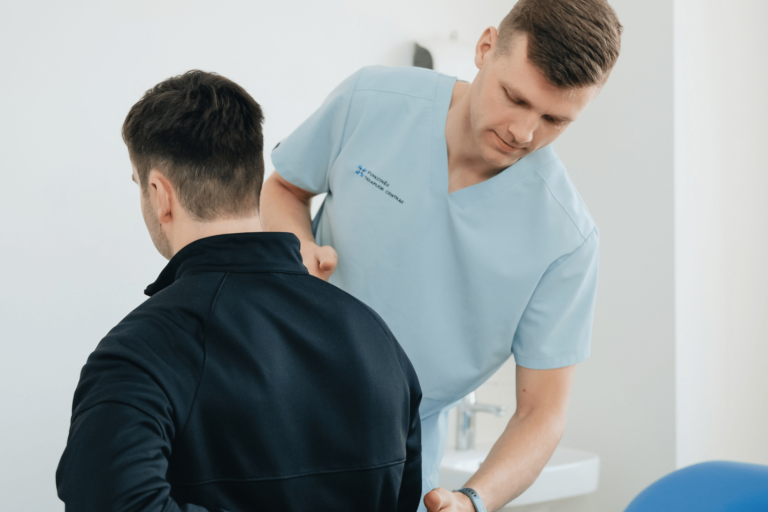
Masking the symptoms of back pain from commuting with temporary heat packs or generic stretches will not provide a permanent solution. Lasting relief requires a comprehensive evaluation of your movement patterns from the ground up.
At Hekas Sports Therapy, our experienced team focuses on identifying and treating the root structural cause of your pain. We perform detailed biomechanical assessments and gait analyses to observe exactly how your feet interact with the ground.
Through targeted sports therapy techniques—including deep tissue clinical massage, myofascial release, and joint mobilization—we work to release chronically tight lower back muscles and restore proper pelvic alignment. Simultaneously, we give you practical corrective exercises to strengthen your foot arches and improve your standing posture.
Book Your Posture Assessment Today
Chronic spinal discomfort does not have to be an inevitable consequence of your daily journey to work. By correcting your foundational alignment and addressing hidden foot pressure imbalances, you can transform your daily transit into a comfortable, pain-free experience.
Take control of your structural health today. Book a comprehensive biomechanical assessment with Hekas Sports Therapy to identify the true cause of your discomfort and discover a personalized path to lasting physical recovery.If you would like to learn more about our services before booking, feel free to WhatsApp us directly for a quick chat.